Table of Contents
Overview of the Dual-Cylinder Four-Stroke Remote Control Flail Mulcher
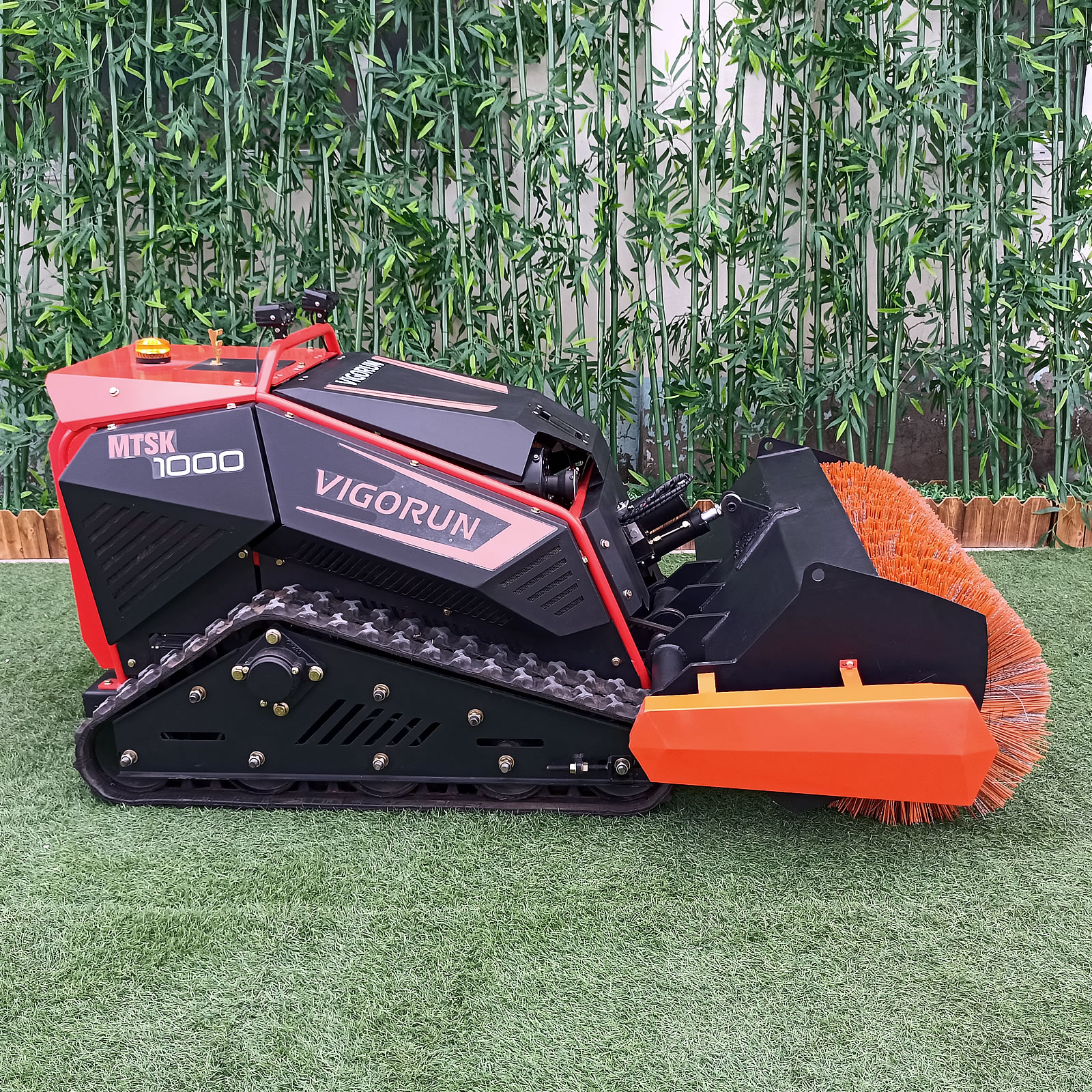
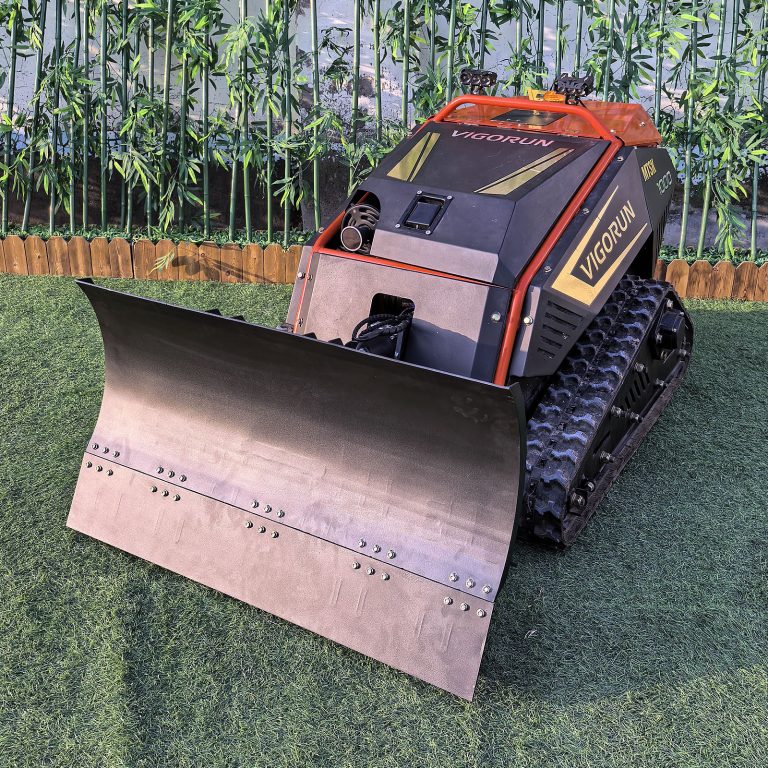
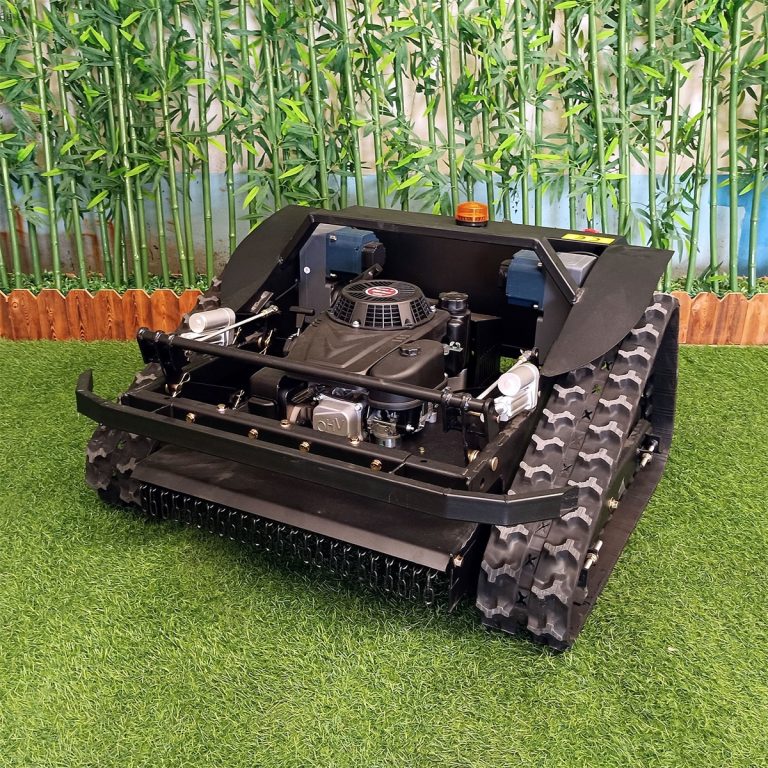
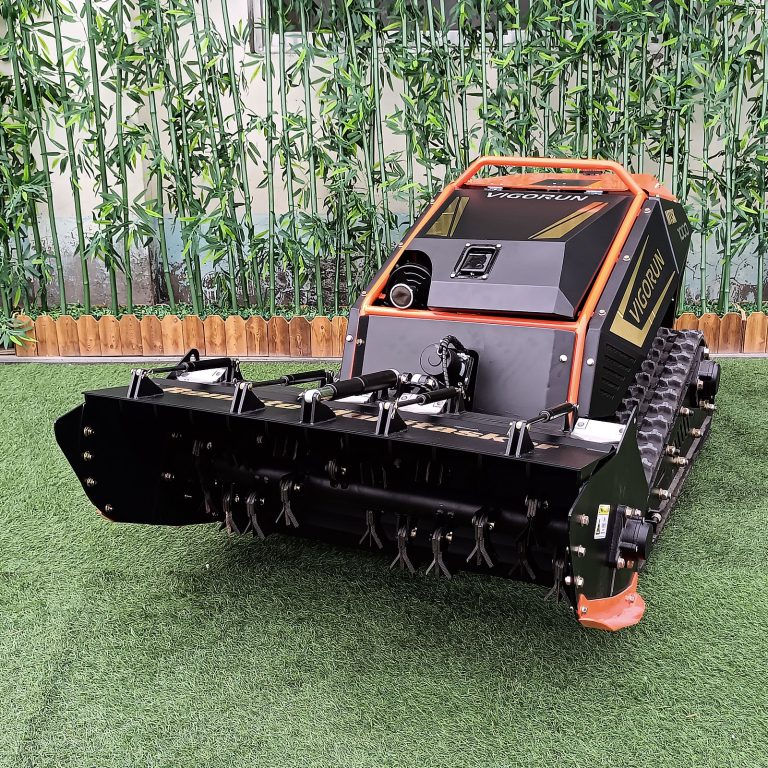
The dual-cylinder four-stroke remote control distance 100m versatile remote control flail mulcher is an exceptional piece of machinery designed for various applications. Powered by a V-type twin-cylinder gasoline engine, specifically the Loncin brand model LC2V80FD, it boasts a rated power of 18 kW at 3600 rpm. This robust 764cc gasoline engine ensures superior performance, making it suitable for both commercial and residential use.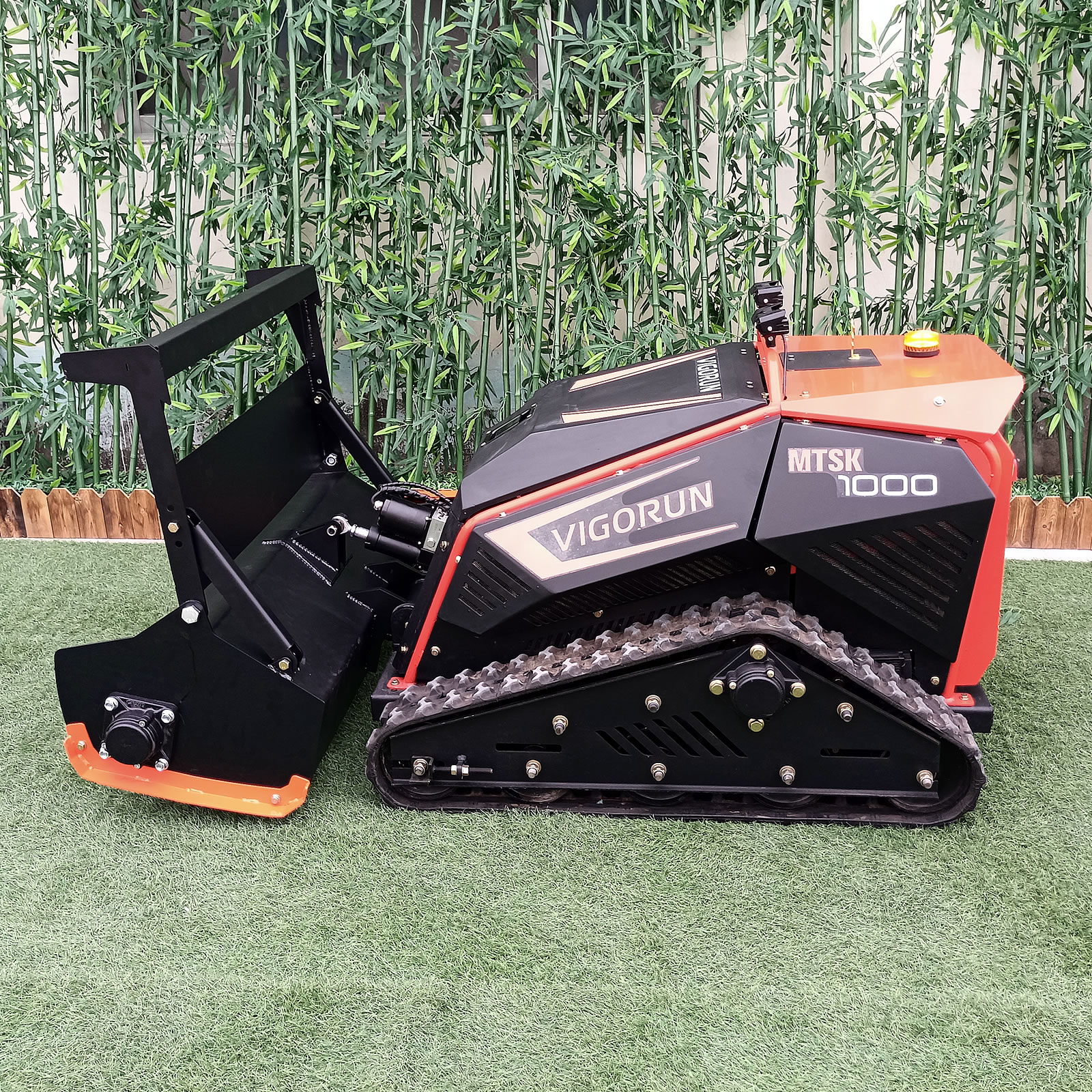 Equipped with a clutch that engages only upon reaching a predetermined rotation speed, this machine optimizes its operational efficiency. The innovative design guarantees that power is utilized only when necessary, enhancing fuel efficiency while maintaining high performance. This feature not only contributes to the machine’s longevity but also reduces wear and tear on its components.
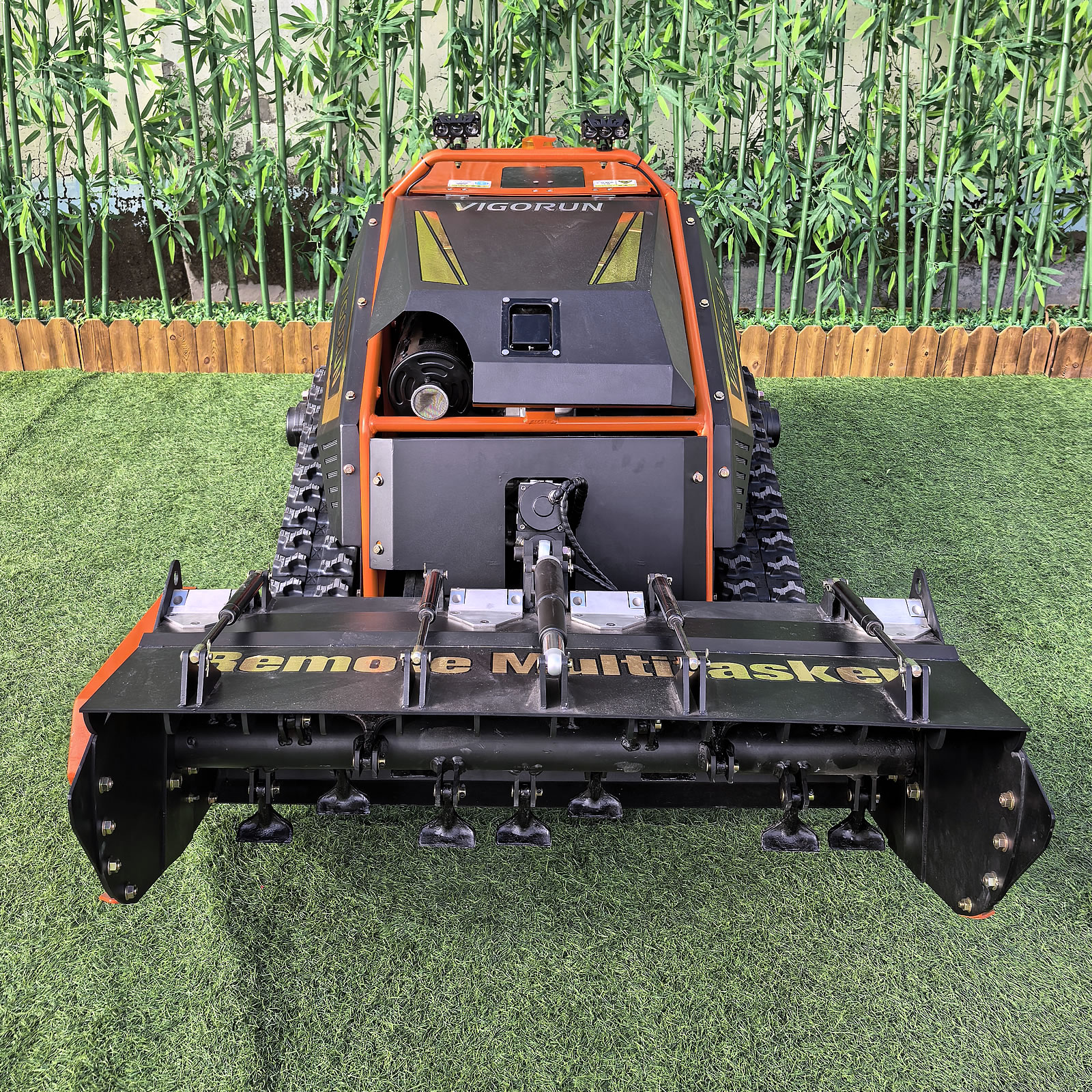 Moreover, the dual-cylinder configuration provides impressive torque and climbing ability, allowing operators to tackle steep terrains with confidence. The versatility of the dual-cylinder four-stroke remote control distance 100m versatile remote control flail mulcher makes it a valuable addition to any landscaping or agricultural fleet, ensuring that users can manage various tasks with ease.
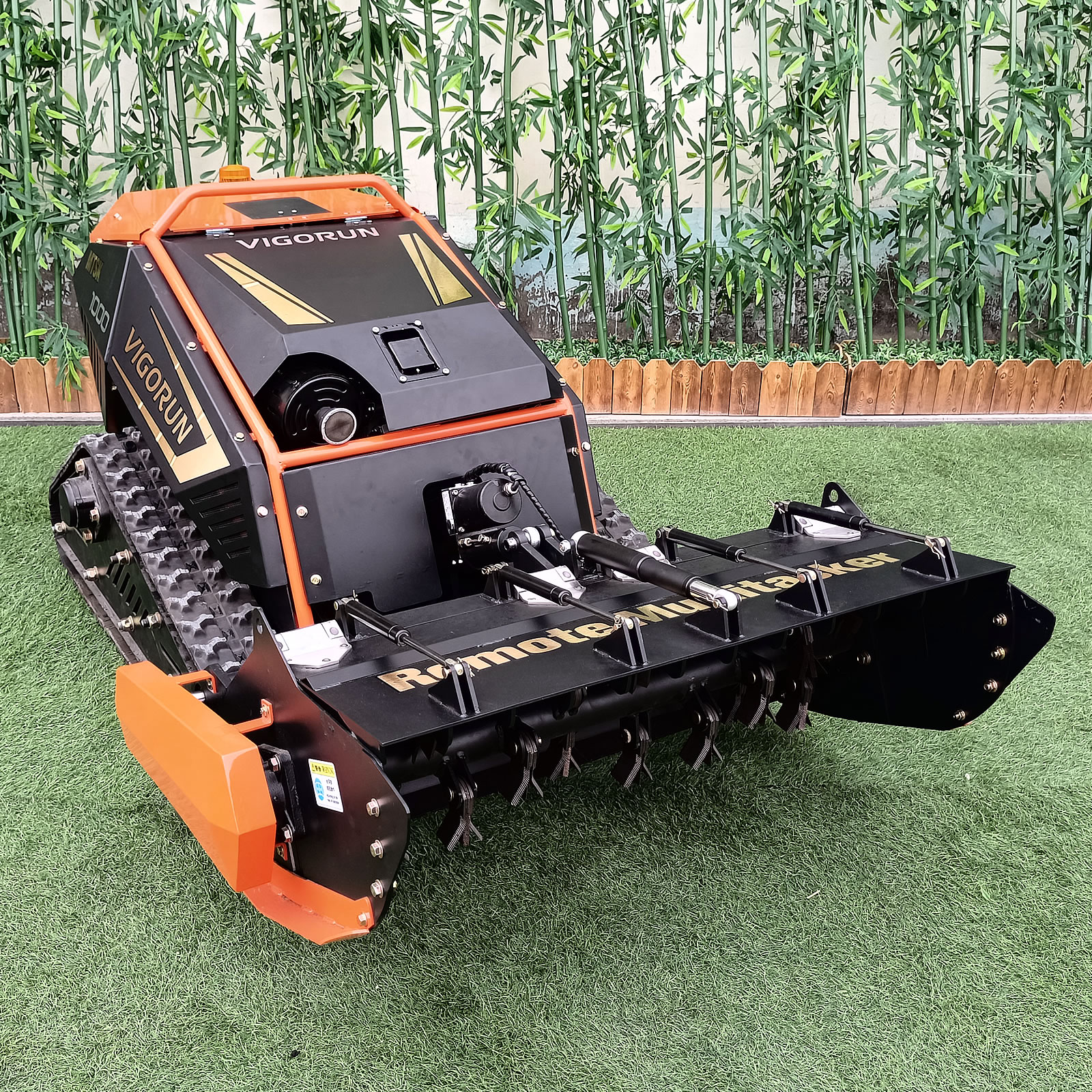
Features and Benefits of the Flail Mulcher
One of the key features of the dual-cylinder four-stroke remote control distance 100m versatile remote control flail mulcher is its powerful 48V 1500W servo motors. These motors deliver significant torque, enabling the machine to perform effectively even on challenging slopes. The built-in self-locking function adds an extra layer of safety, ensuring that the machine remains stationary without throttle input, thus preventing unintended movement during operation.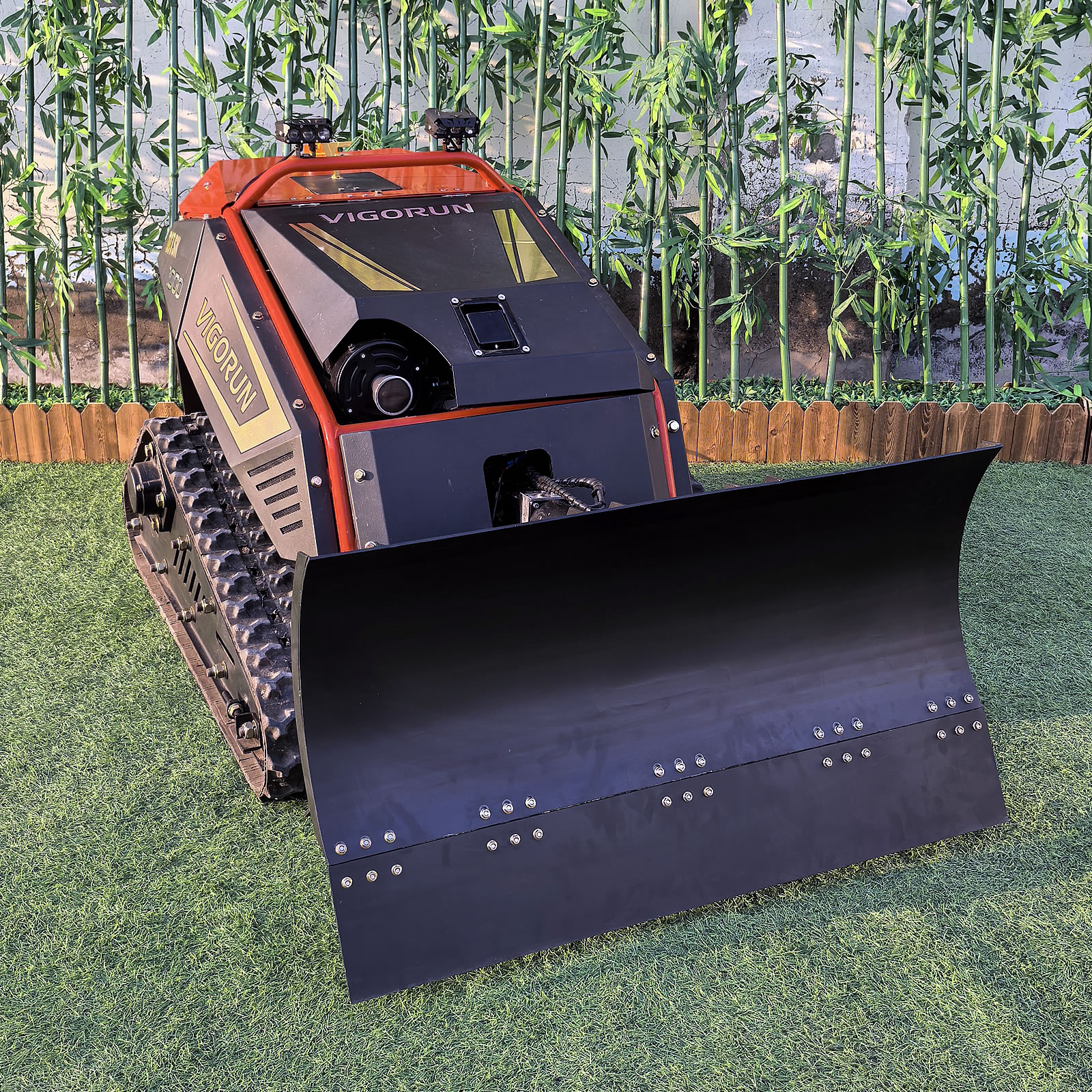 The worm gear reducer enhances the already impressive torque output from the servo motors, providing immense climbing resistance. In a power-off state, the mechanical self-locking feature keeps the machine secure, preventing it from sliding downhill. This design consideration significantly improves safety, especially when operating on inclines or uneven ground.