Table of Contents
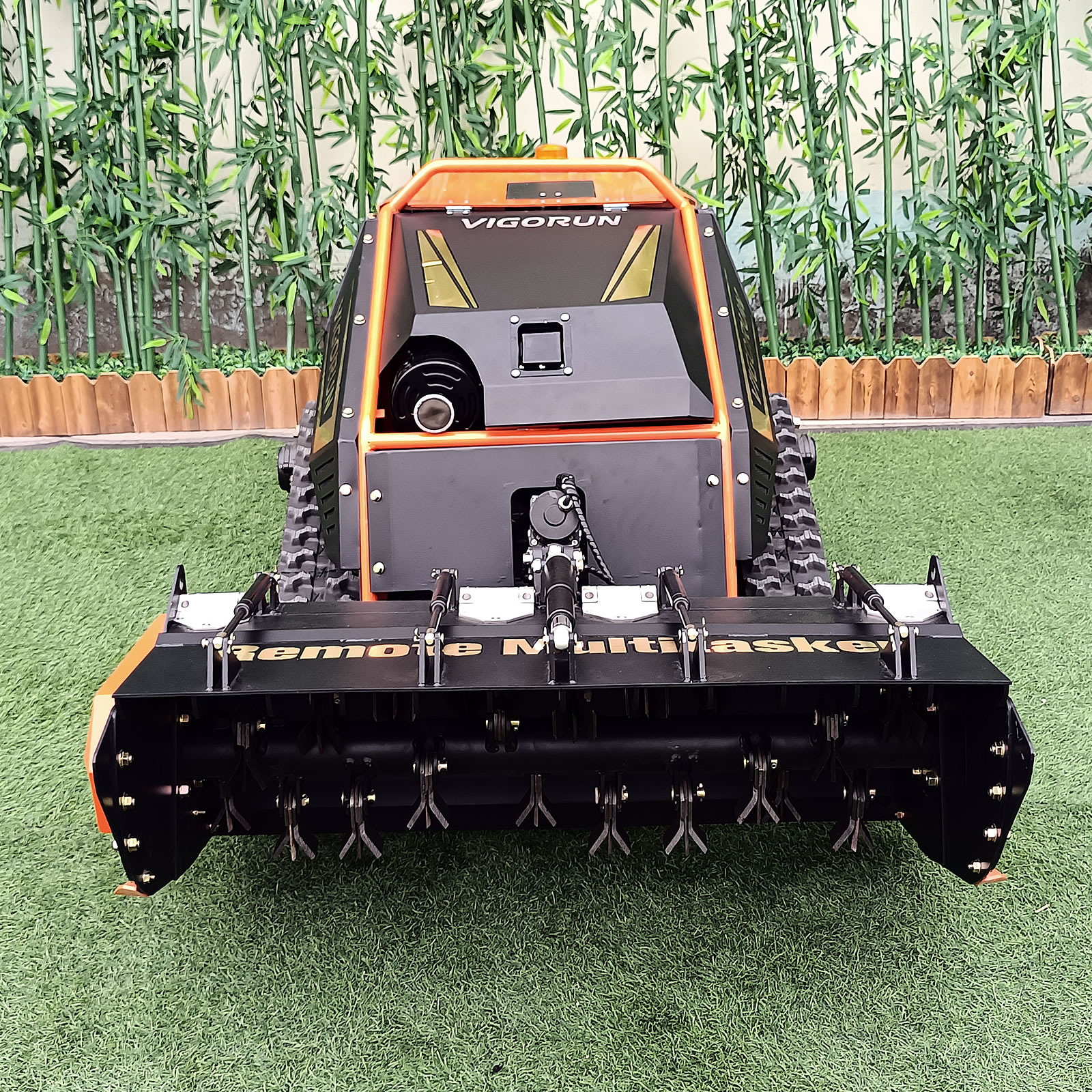
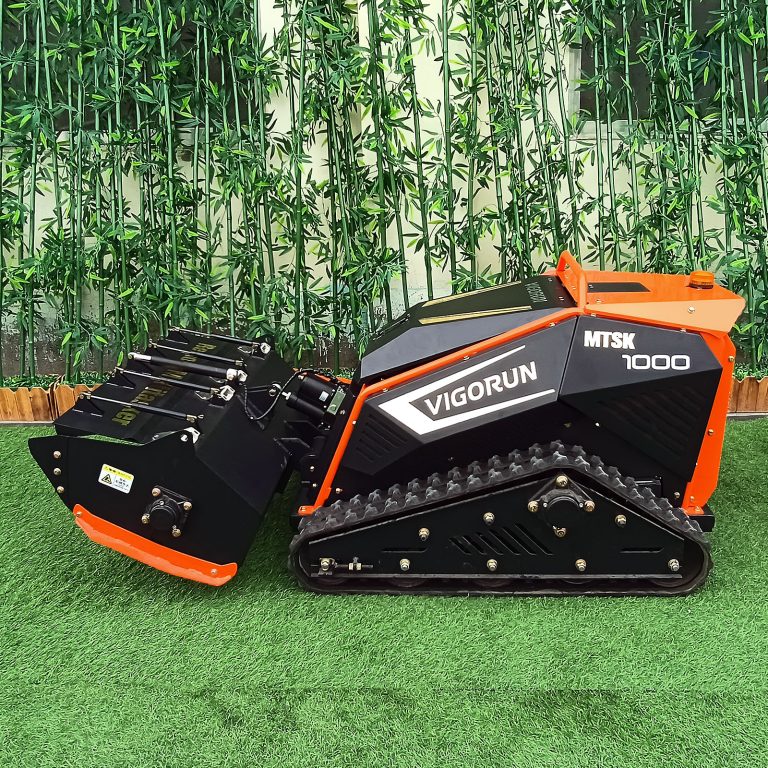
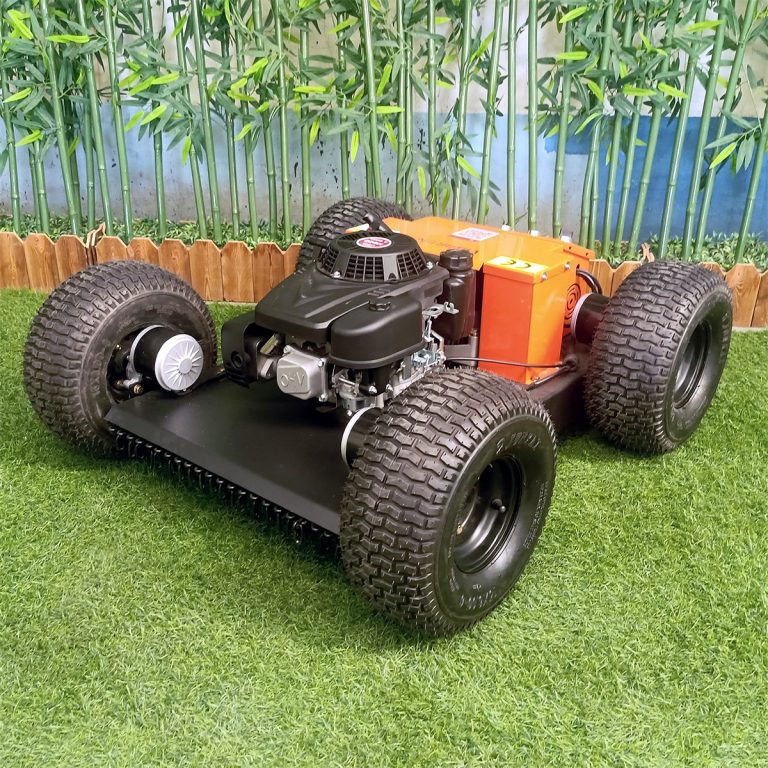
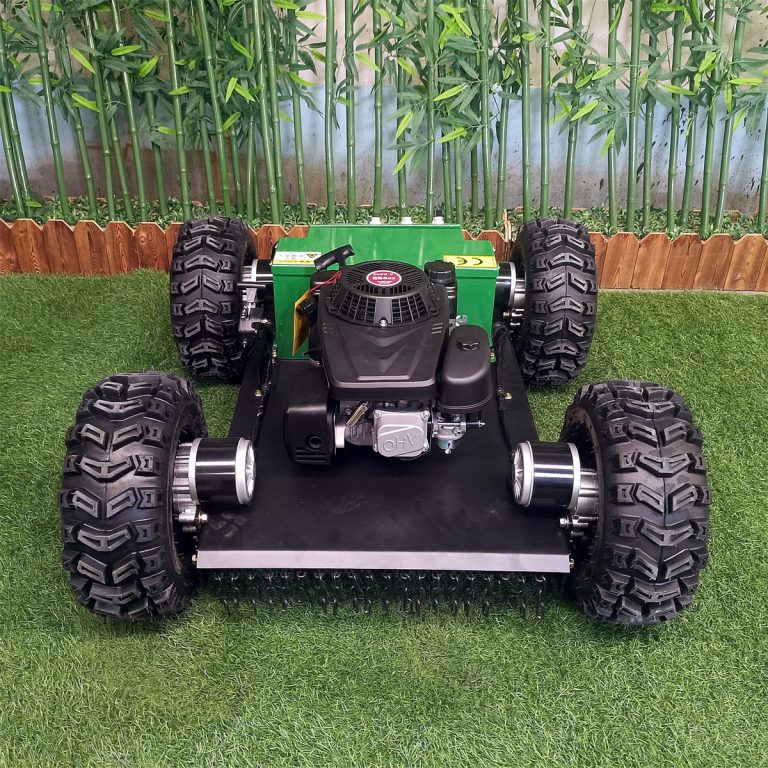
Features of the EPA Approved Gasoline Engine Adjustable Mowing Height Crawler Remote Handling Forestry Mulcher
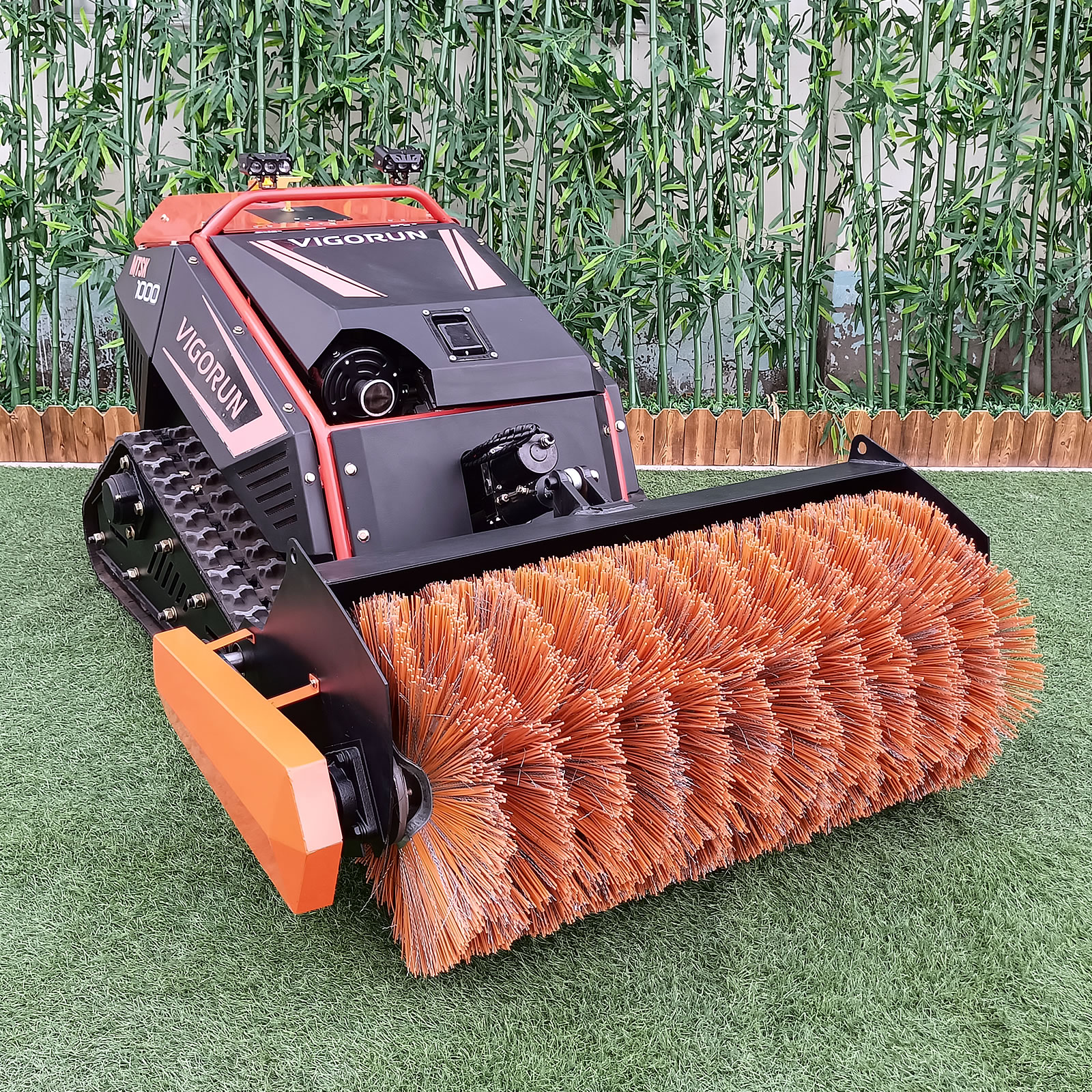 One of the standout features of this forestry mulcher is its advanced clutch system, which engages only when the engine reaches a predetermined rotation speed. This mechanism not only optimizes the engine’s performance but also contributes to the safety of the operation by preventing unintended engagement during start-up. Such thoughtful engineering reflects Vigorun Tech’s commitment to user-friendly designs and operational excellence.
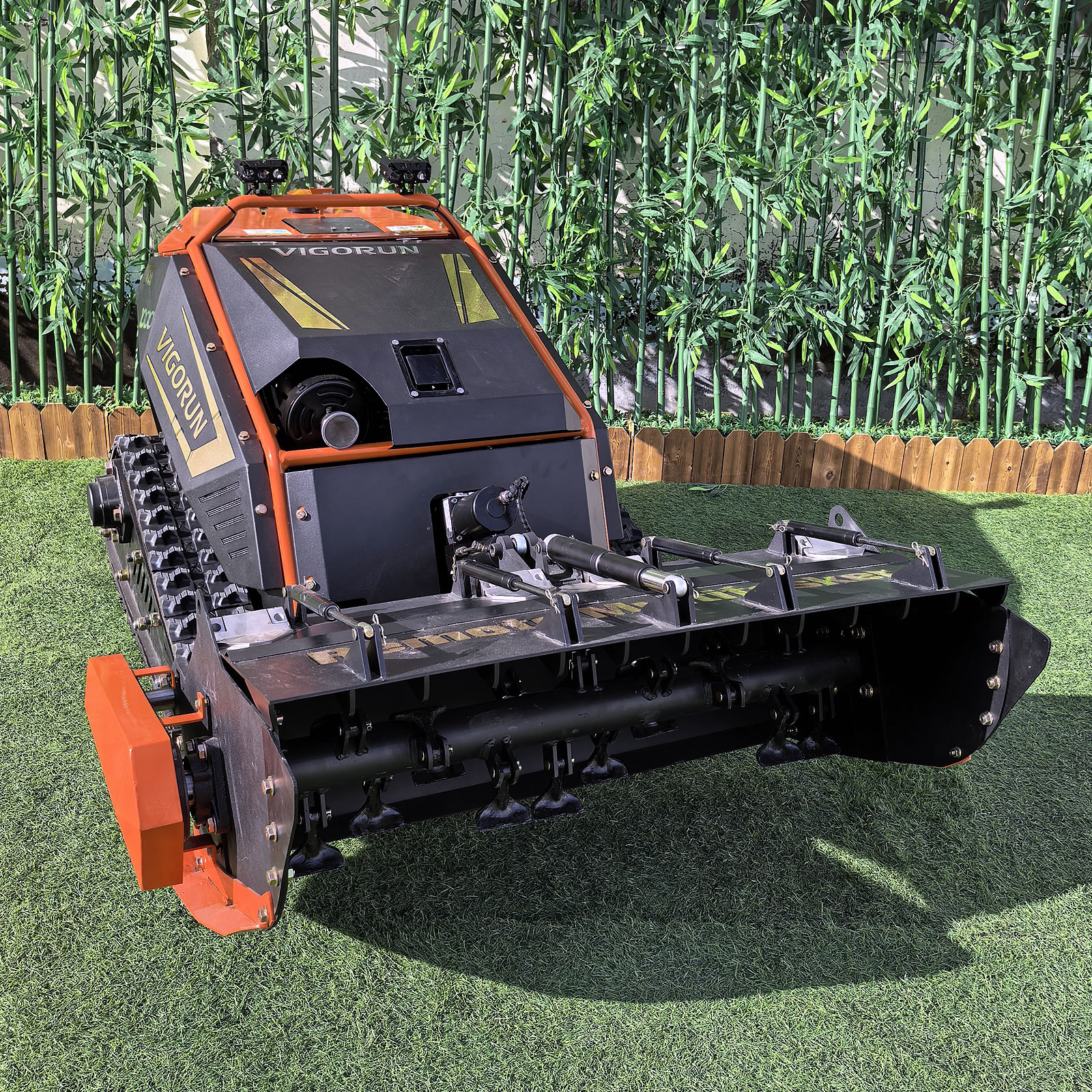 The machine’s design incorporates powerful electric hydraulic push rods that enable remote height adjustment of attachments. This feature allows operators to customize their mowing height on-the-fly, enhancing flexibility when tackling different vegetation types or ground conditions. Whether you’re dealing with tall grass or underbrush, this level of control makes the mulcher an invaluable asset for any forestry operation.
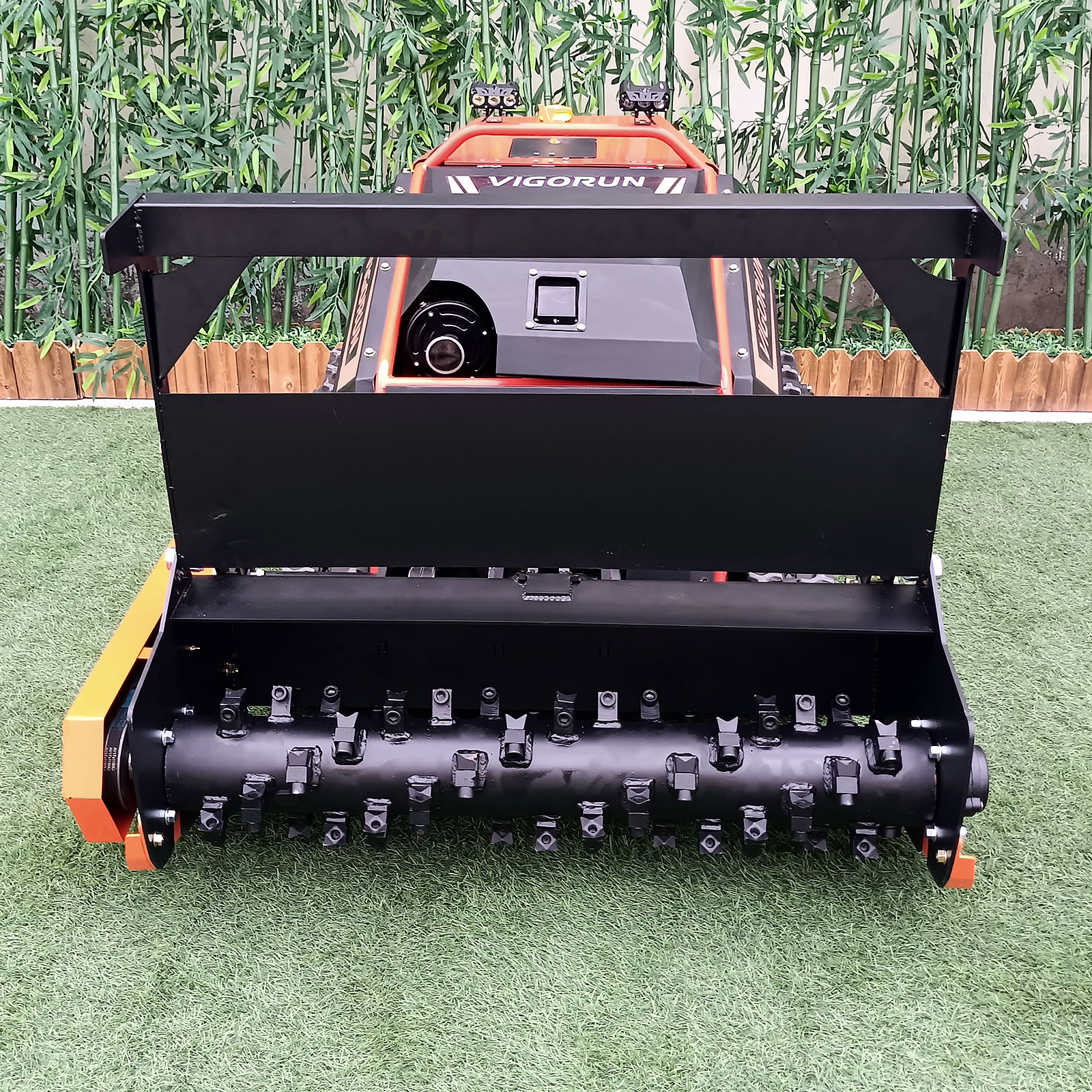
Enhanced Safety and Performance
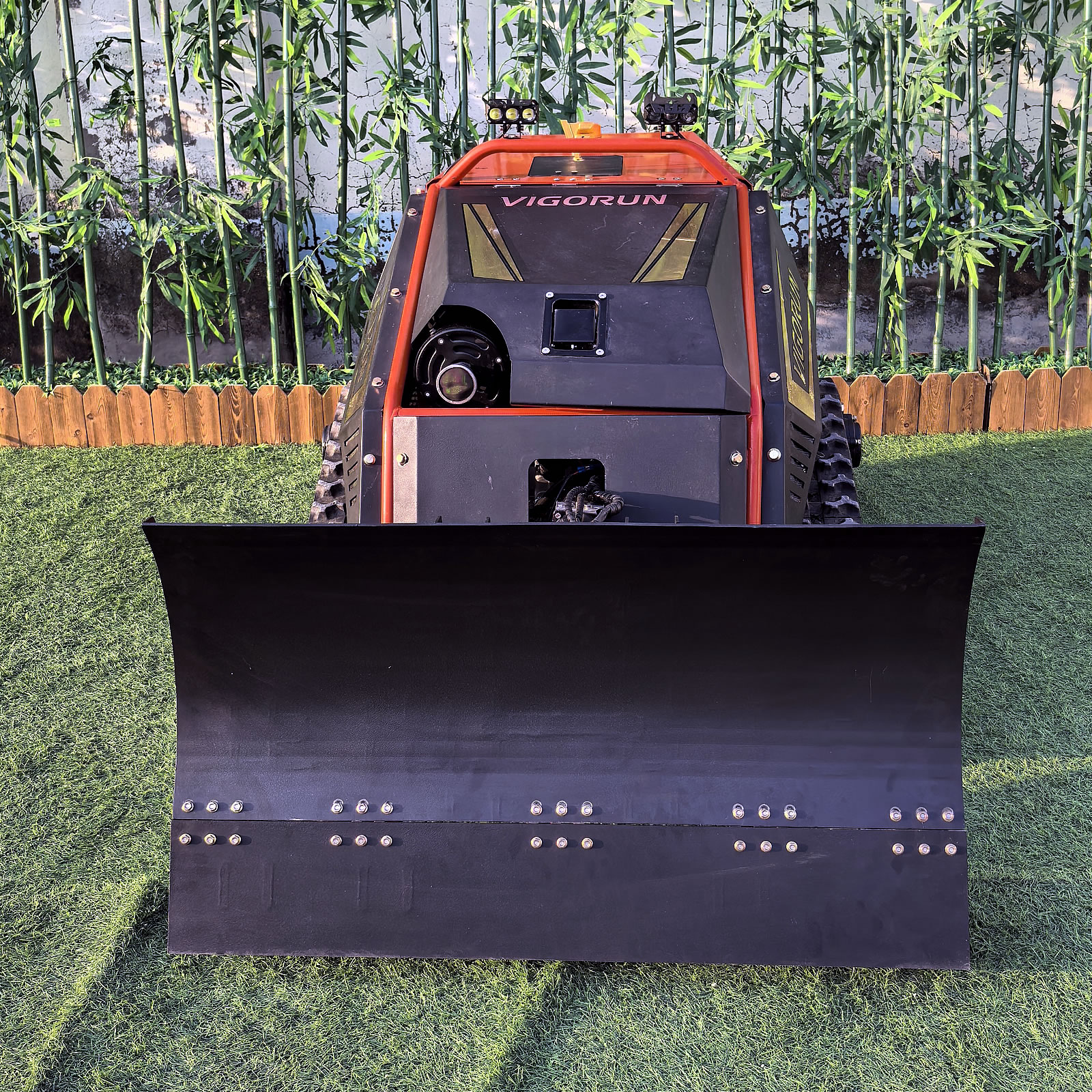 The EPA approved gasoline engine adjustable mowing height crawler remote handling forestry mulcher prioritizes safety through its built-in self-locking function. This ensures that the machine remains stationary unless both power is activated and throttle is applied. Such a feature significantly reduces the risk of accidental movement, providing peace of mind to operators while working on slopes or uneven surfaces.
Equipped with two 48V 1500W servo motors, this machine exhibits impressive climbing ability and power output. The high reduction ratio provided by the worm gear reducer multiplies the torque from the servo motors, allowing the unit to ascend steep inclines with ease. In addition, the mechanical self-locking feature between the worm and gear prevents the machine from sliding downhill during power loss, reinforcing its reliability in various situations.
The intelligent servo controller integrated into the mulcher ensures precise motor speed regulation and synchronization of the left and right tracks. This capability enables the machine to maintain a straight path without constant remote adjustments, thereby reducing operator workload. It minimizes the risks associated with overcorrection, especially on steep slopes, allowing for safer and more efficient operations.
The EPA approved gasoline engine adjustable mowing height crawler remote handling forestry mulcher prioritizes safety through its built-in self-locking function. This ensures that the machine remains stationary unless both power is activated and throttle is applied. Such a feature significantly reduces the risk of accidental movement, providing peace of mind to operators while working on slopes or uneven surfaces.
Equipped with two 48V 1500W servo motors, this machine exhibits impressive climbing ability and power output. The high reduction ratio provided by the worm gear reducer multiplies the torque from the servo motors, allowing the unit to ascend steep inclines with ease. In addition, the mechanical self-locking feature between the worm and gear prevents the machine from sliding downhill during power loss, reinforcing its reliability in various situations.
The intelligent servo controller integrated into the mulcher ensures precise motor speed regulation and synchronization of the left and right tracks. This capability enables the machine to maintain a straight path without constant remote adjustments, thereby reducing operator workload. It minimizes the risks associated with overcorrection, especially on steep slopes, allowing for safer and more efficient operations.