Table of Contents
Advanced Engineering of Loncin 764CC Gasoline Engine
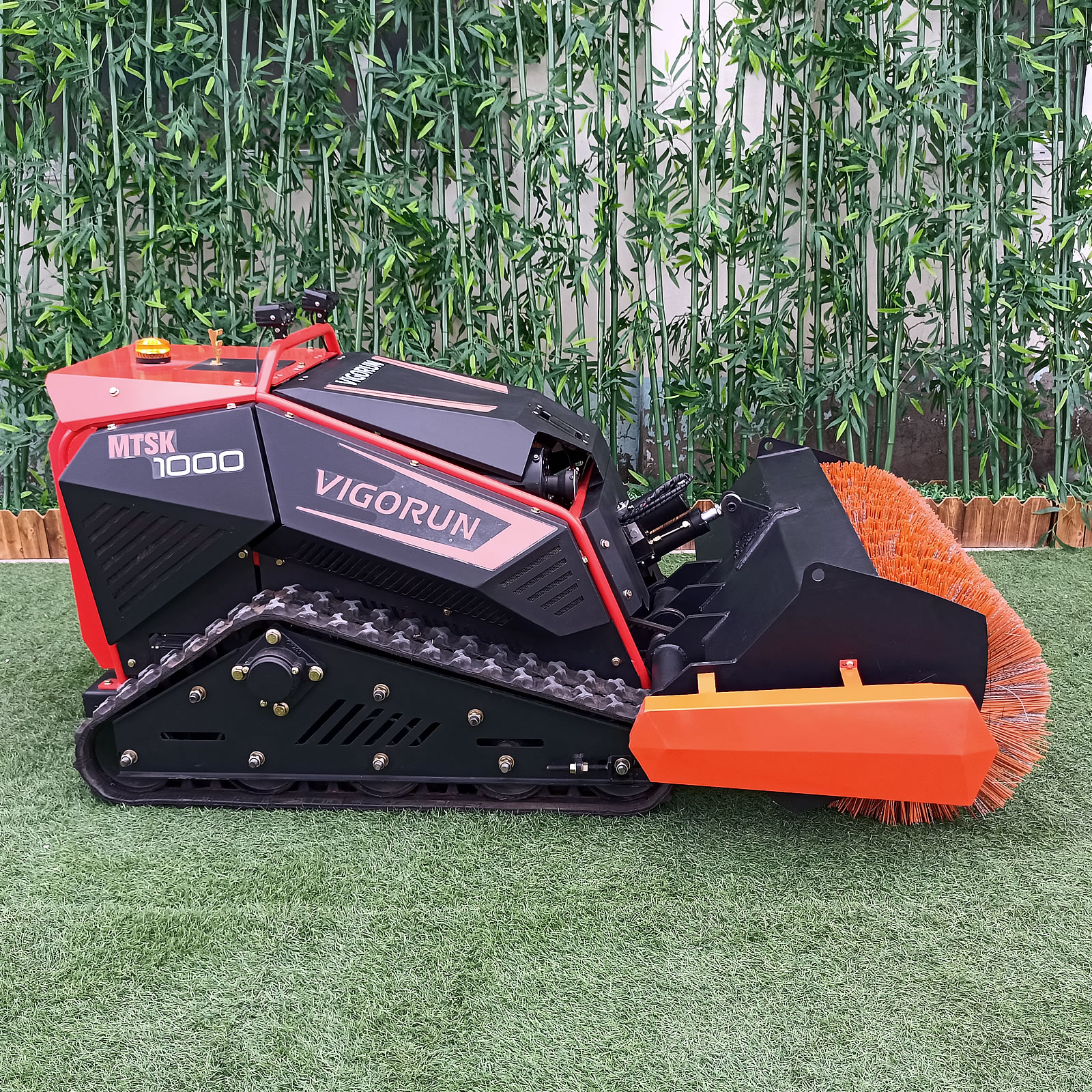
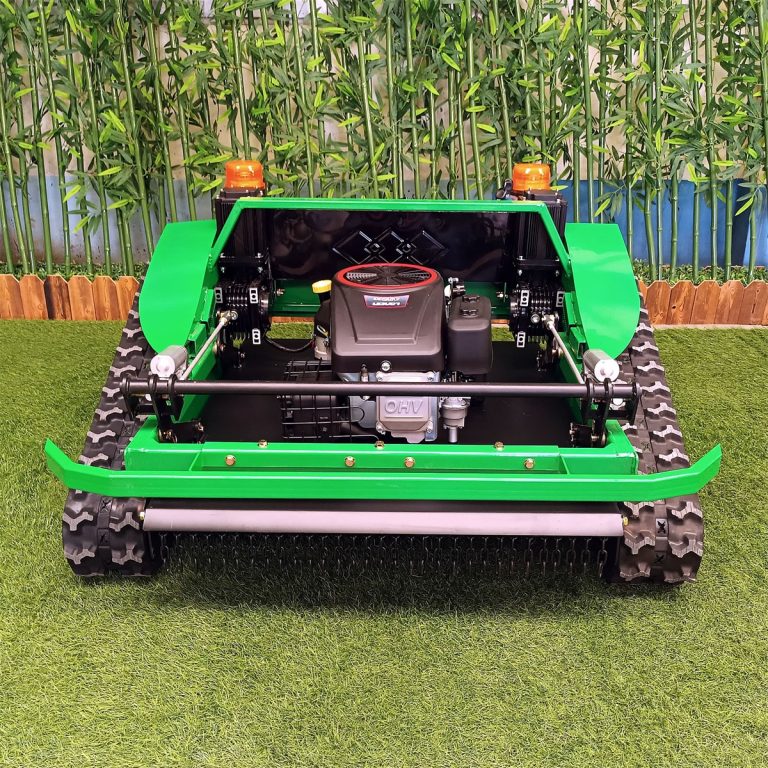
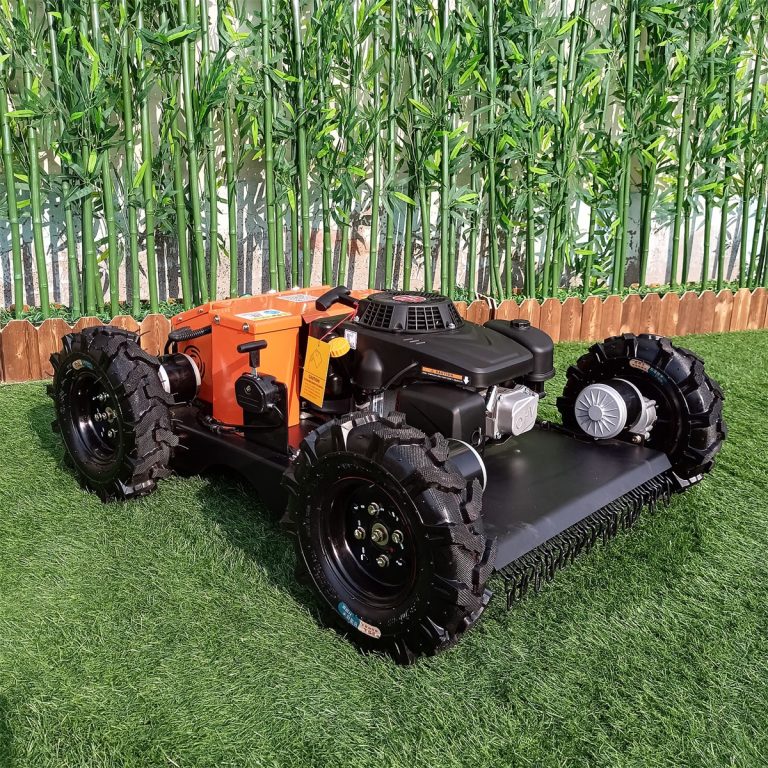
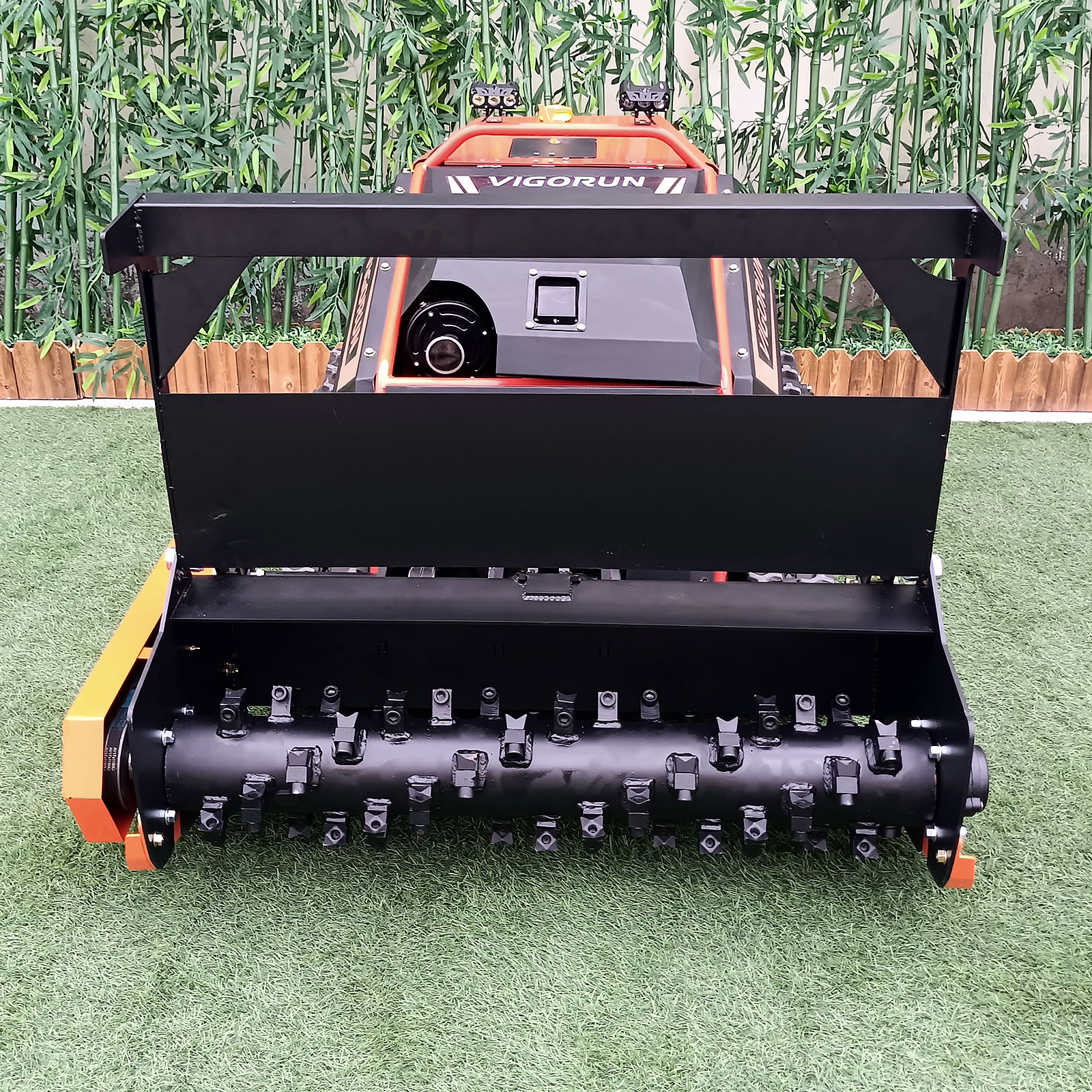 The Loncin 764CC gasoline engine self-charging battery powered tracked wireless lawn mulcher is a remarkable piece of machinery designed for efficiency and ease of use. It features a powerful V-type twin-cylinder gasoline engine, specifically the Loncin brand model LC2V80FD. With a robust rated power of 18 kW at 3600 rpm, this engine delivers exceptional performance, making it ideal for tackling tough landscaping tasks.
Equipped with a sophisticated clutch mechanism, the engine engages only when it reaches a predetermined rotational speed. This not only enhances the longevity of the engine but also ensures that the machine operates smoothly under varying loads. The design contributes to a seamless user experience, allowing operators to focus on their work without worrying about mechanical issues.
For added versatility, the machine is outfitted with two 48V 1500W servo motors. These motors provide strong power output, making climbing steep inclines effortless. The built-in self-locking function enhances operational safety by ensuring that the machine only moves when both power is on and throttle is applied. This feature prevents unintended sliding, giving users peace of mind while working on slopes.
The Loncin 764CC gasoline engine self-charging battery powered tracked wireless lawn mulcher is a remarkable piece of machinery designed for efficiency and ease of use. It features a powerful V-type twin-cylinder gasoline engine, specifically the Loncin brand model LC2V80FD. With a robust rated power of 18 kW at 3600 rpm, this engine delivers exceptional performance, making it ideal for tackling tough landscaping tasks.
Equipped with a sophisticated clutch mechanism, the engine engages only when it reaches a predetermined rotational speed. This not only enhances the longevity of the engine but also ensures that the machine operates smoothly under varying loads. The design contributes to a seamless user experience, allowing operators to focus on their work without worrying about mechanical issues.
For added versatility, the machine is outfitted with two 48V 1500W servo motors. These motors provide strong power output, making climbing steep inclines effortless. The built-in self-locking function enhances operational safety by ensuring that the machine only moves when both power is on and throttle is applied. This feature prevents unintended sliding, giving users peace of mind while working on slopes.
Innovative Features for Efficiency and Safety
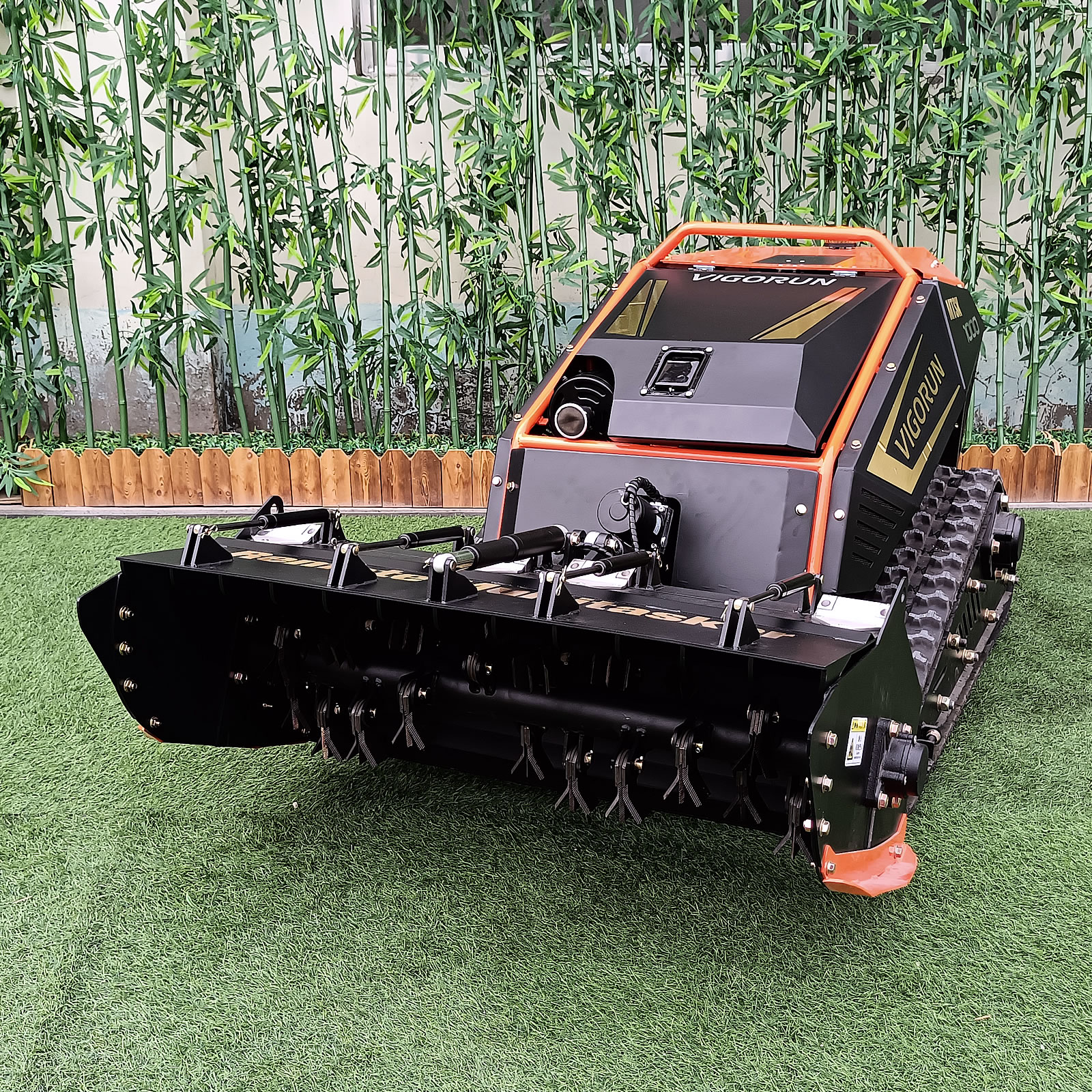
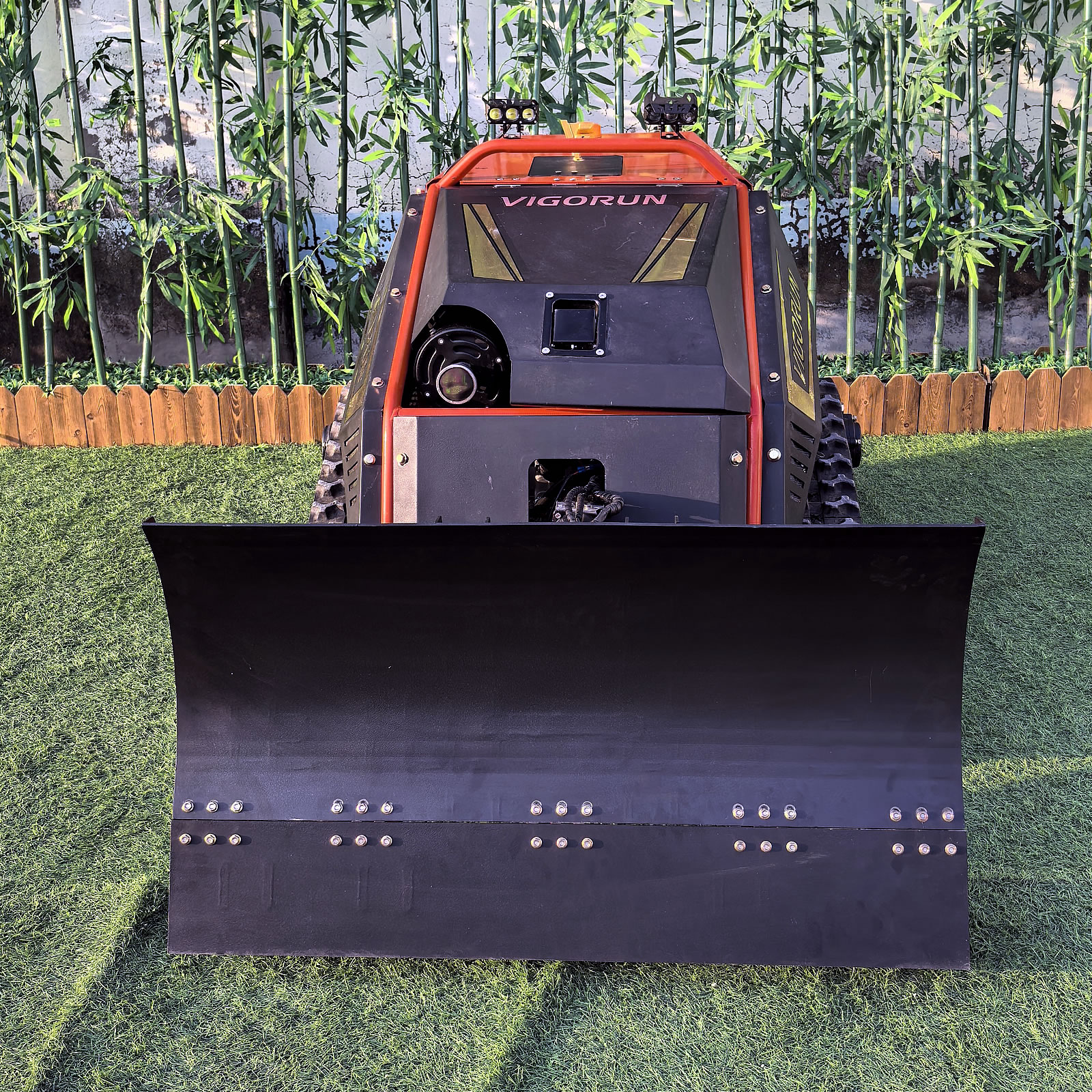
The Loncin 764CC gasoline engine self-charging battery powered tracked wireless lawn mulcher incorporates advanced technology to enhance its performance. One key component is the high reduction ratio worm gear reducer, which amplifies the torque generated by the servo motors. This results in immense output torque, allowing the machine to navigate challenging terrains with ease.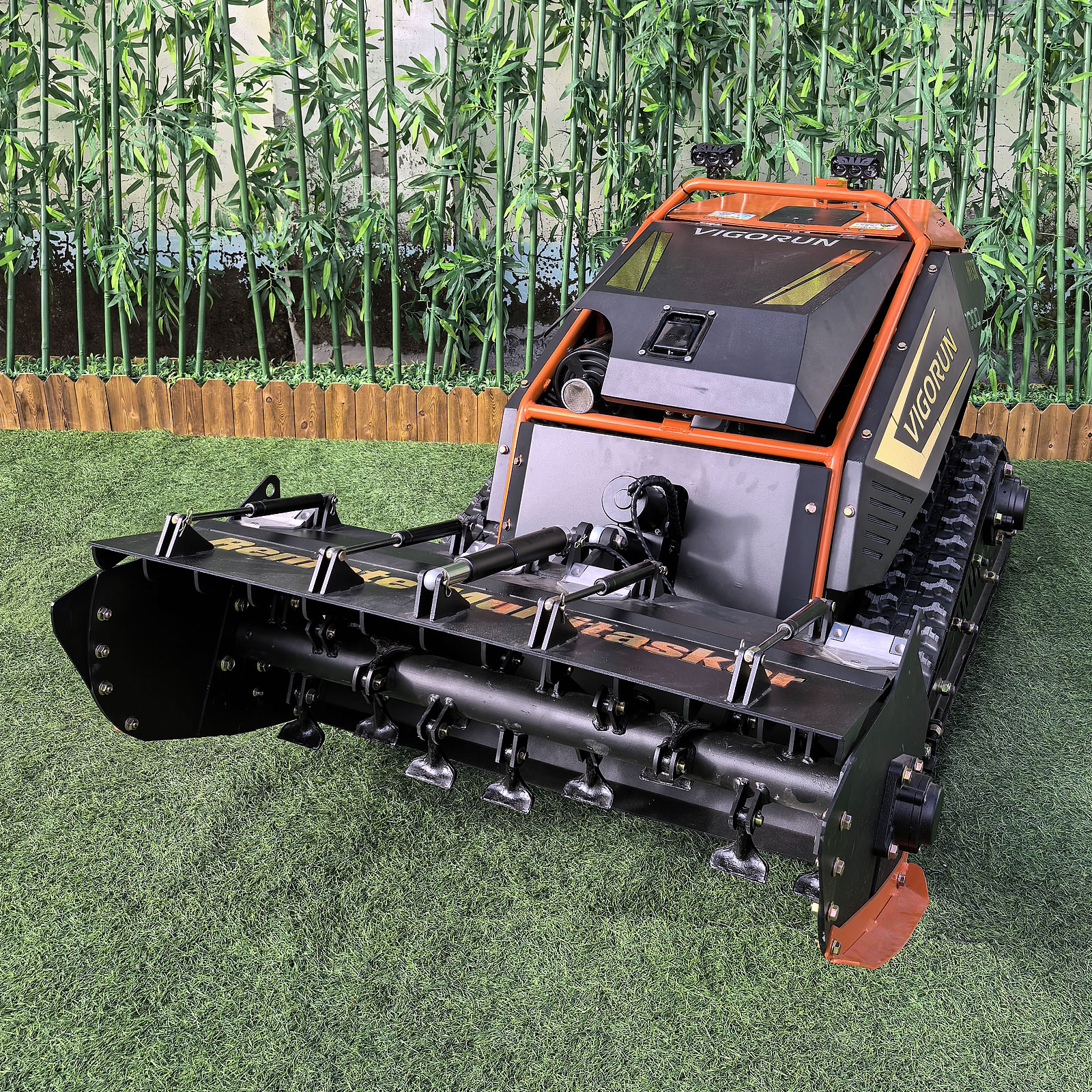 In addition to its powerful performance, the machine’s intelligent servo controller plays a crucial role in maintaining operational efficiency. It precisely regulates motor speed and synchronizes the left and right tracks, allowing for straight-line travel without constant adjustments from the operator. This reduces the workload and minimizes risks associated with overcorrecting, particularly on steep slopes.