Table of Contents
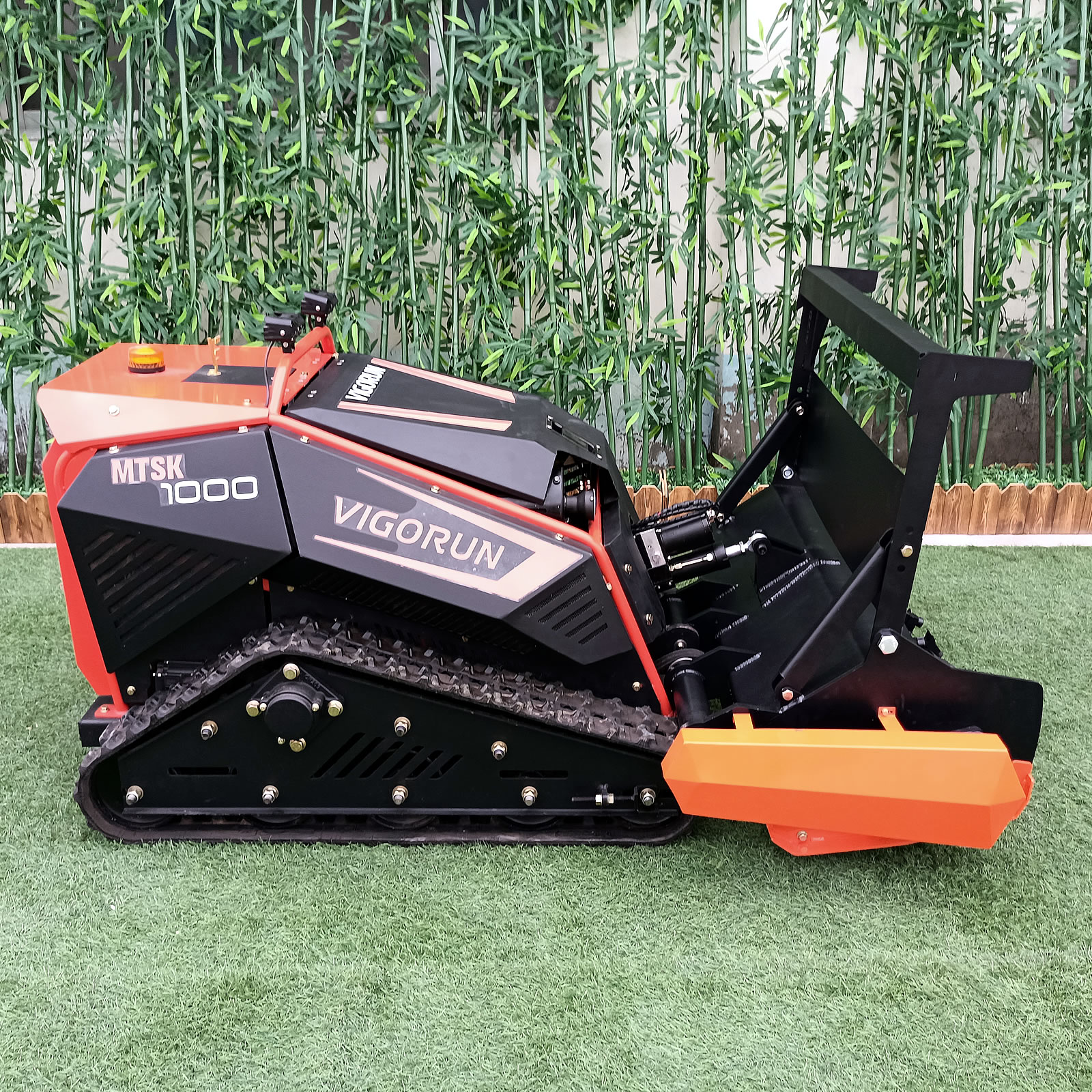
Features of the Dual-Cylinder Four-Stroke Speed of Travel 4km Crawler Remote Controlled Brush Mulcher
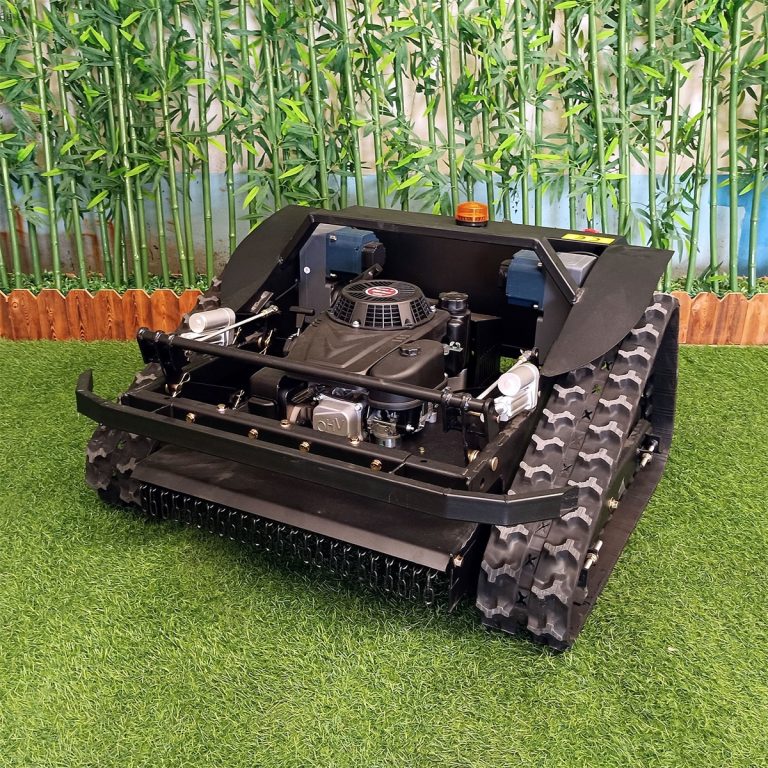
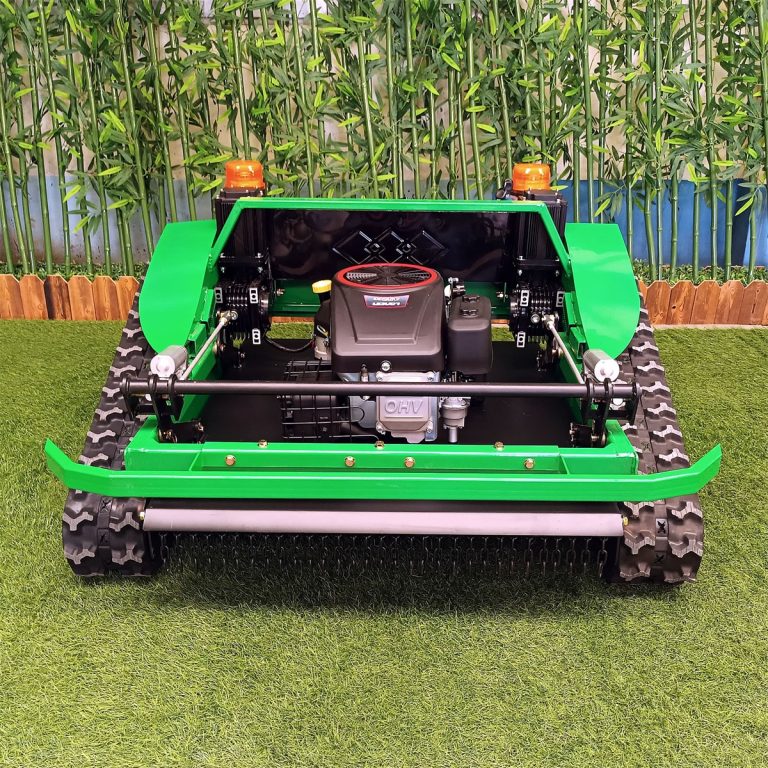
The dual-cylinder four-stroke speed of travel 4km crawler remote controlled brush mulcher is equipped with a powerful V-type twin-cylinder gasoline engine. Specifically, it features the Loncin brand, model LC2V80FD, which delivers an impressive rated power of 18 kW at 3600 rpm. This robust 764cc engine ensures strong performance, allowing the machine to tackle various vegetation management tasks efficiently. One of the standout features of this mulcher is its clutch system, which engages only when the engine reaches a predetermined rotation speed. This design not only enhances operational efficiency but also contributes to the longevity of the engine by preventing unnecessary wear and tear during low-speed operations. Additionally, the built-in self-locking function is a significant safety feature. The machine remains stationary unless both the power is on and the throttle is applied. This effectively prevents unintended sliding, ensuring safer operation on slopes and uneven terrain.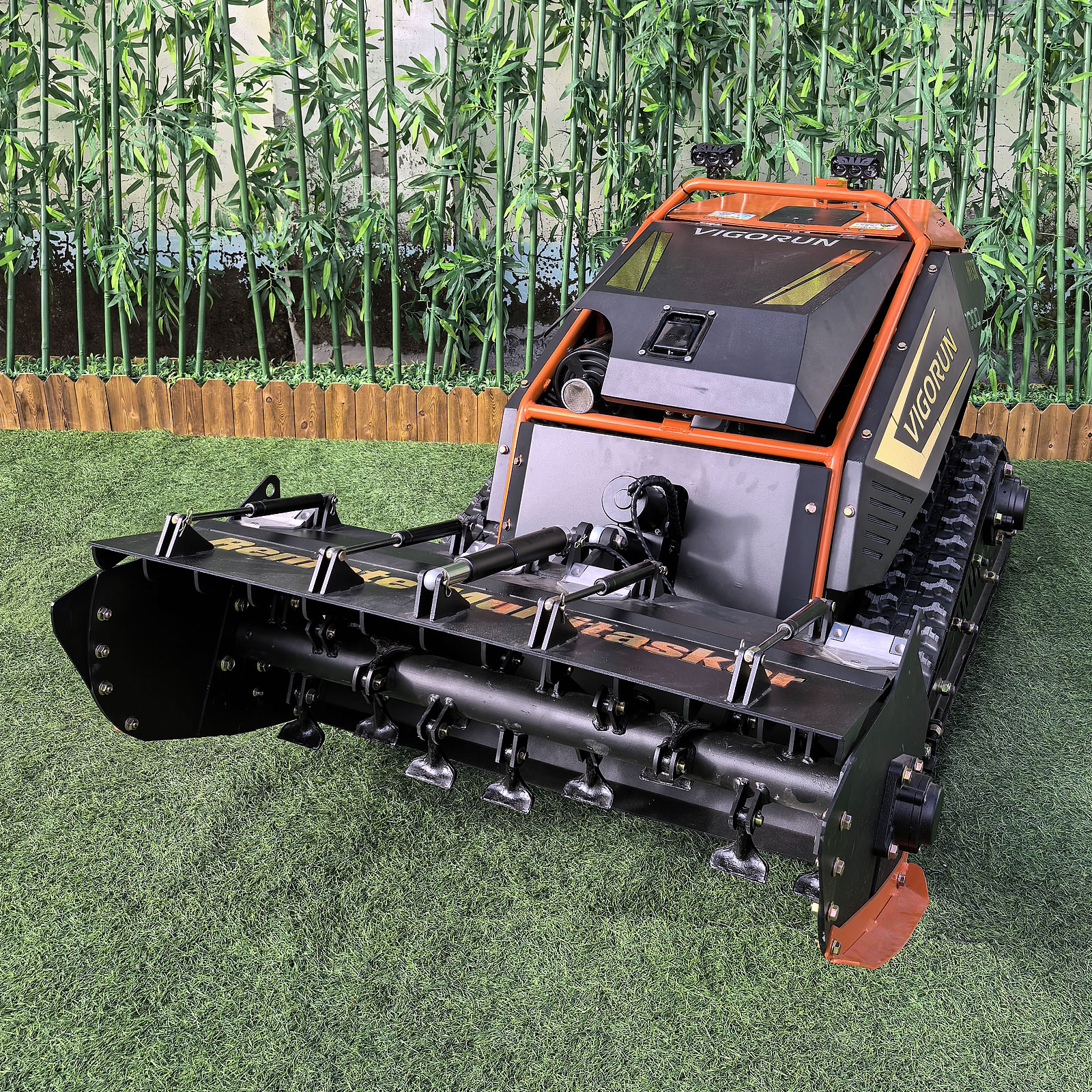 The high reduction ratio provided by the worm gear reducer multiplies the already substantial torque of the servo motors. This results in immense output torque for climbing resistance, making it ideal for challenging environments where steep inclines are common.
Versatility and Performance of the Brush Mulcher
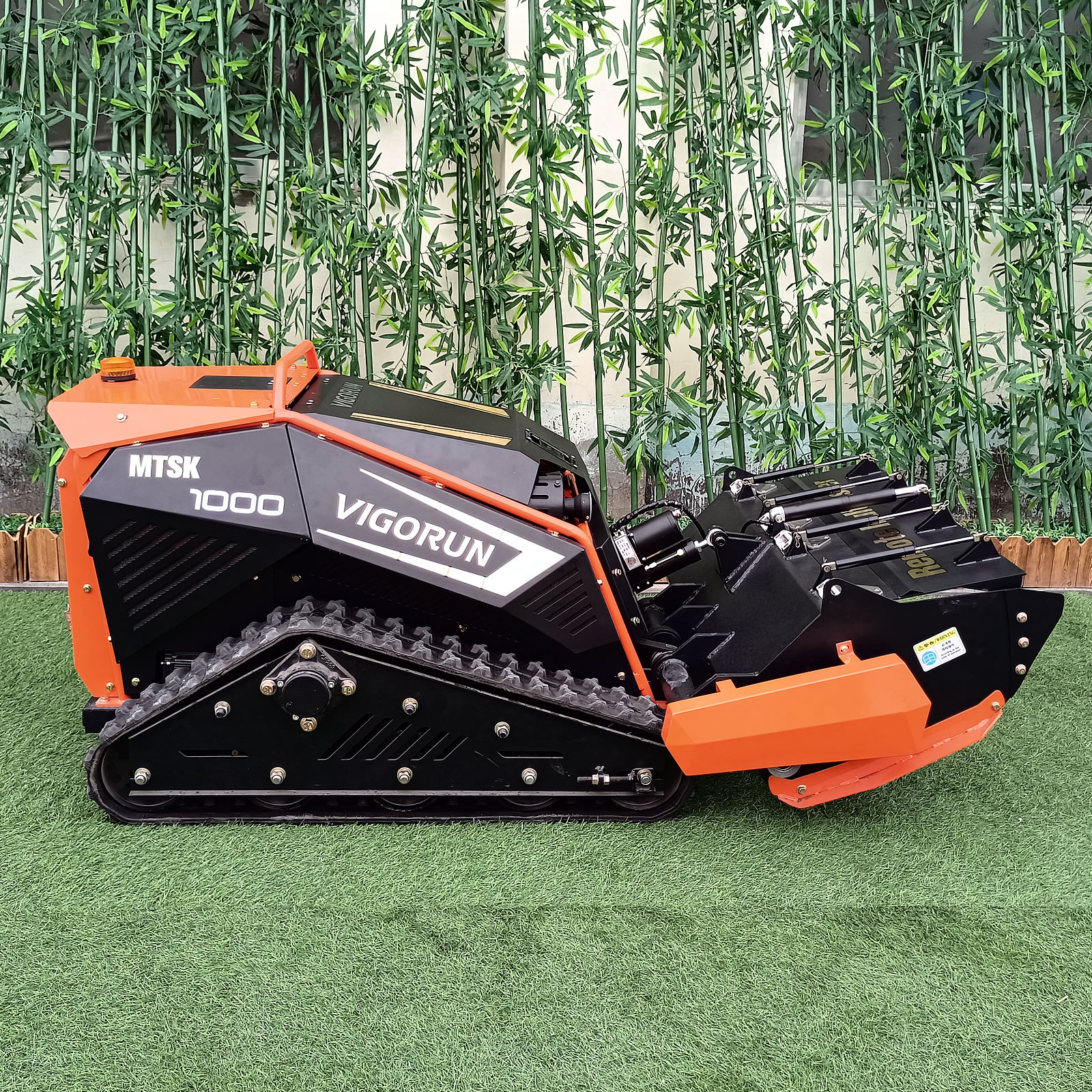
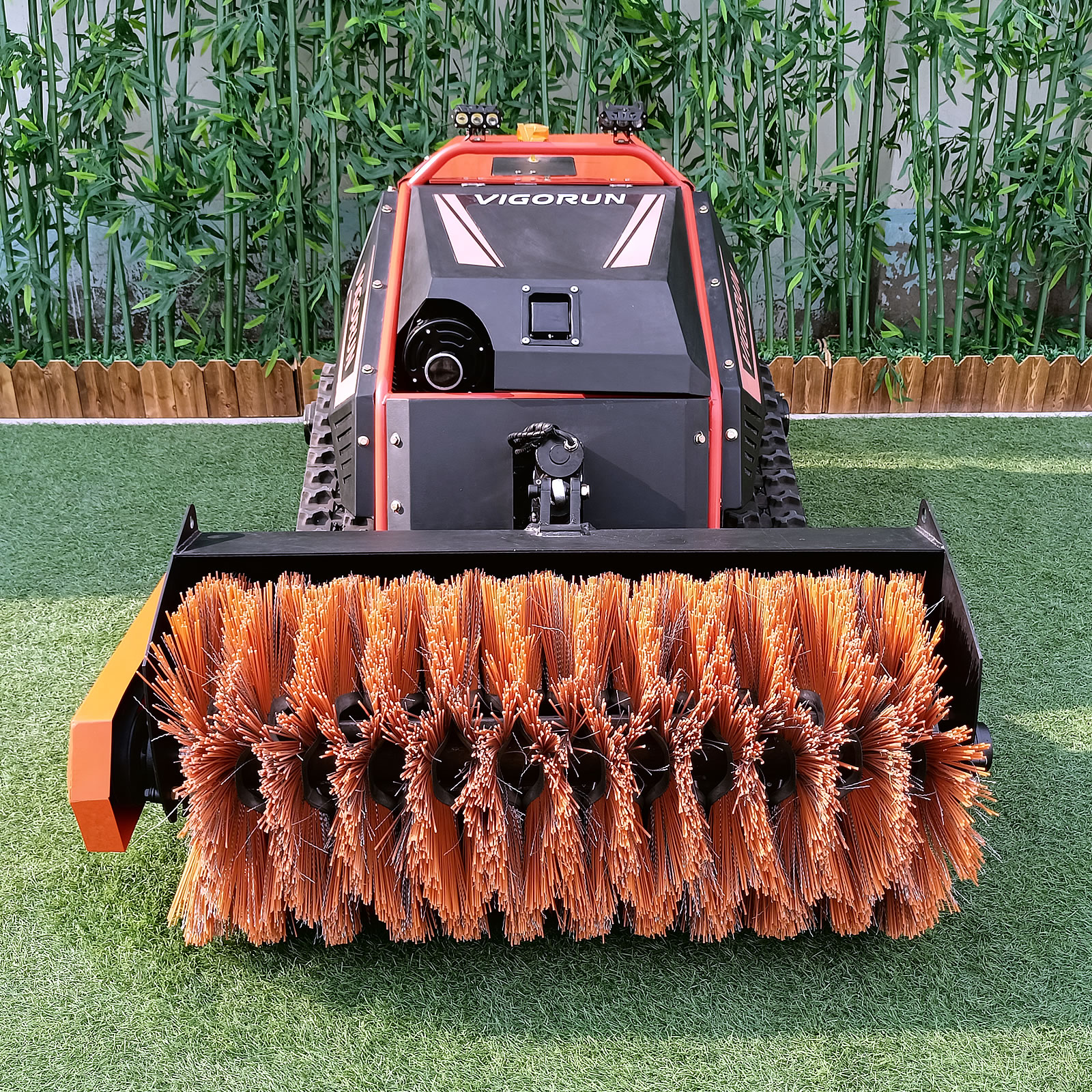
The intelligent servo controller integrated into the dual-cylinder four-stroke speed of travel 4km crawler remote controlled brush mulcher plays a crucial role in its functionality. It precisely regulates motor speed and synchronizes the left and right tracks, allowing the machine to travel in a straight line without constant adjustments from the operator. This feature significantly reduces workload and minimizes risks associated with overcorrection, especially on steep slopes.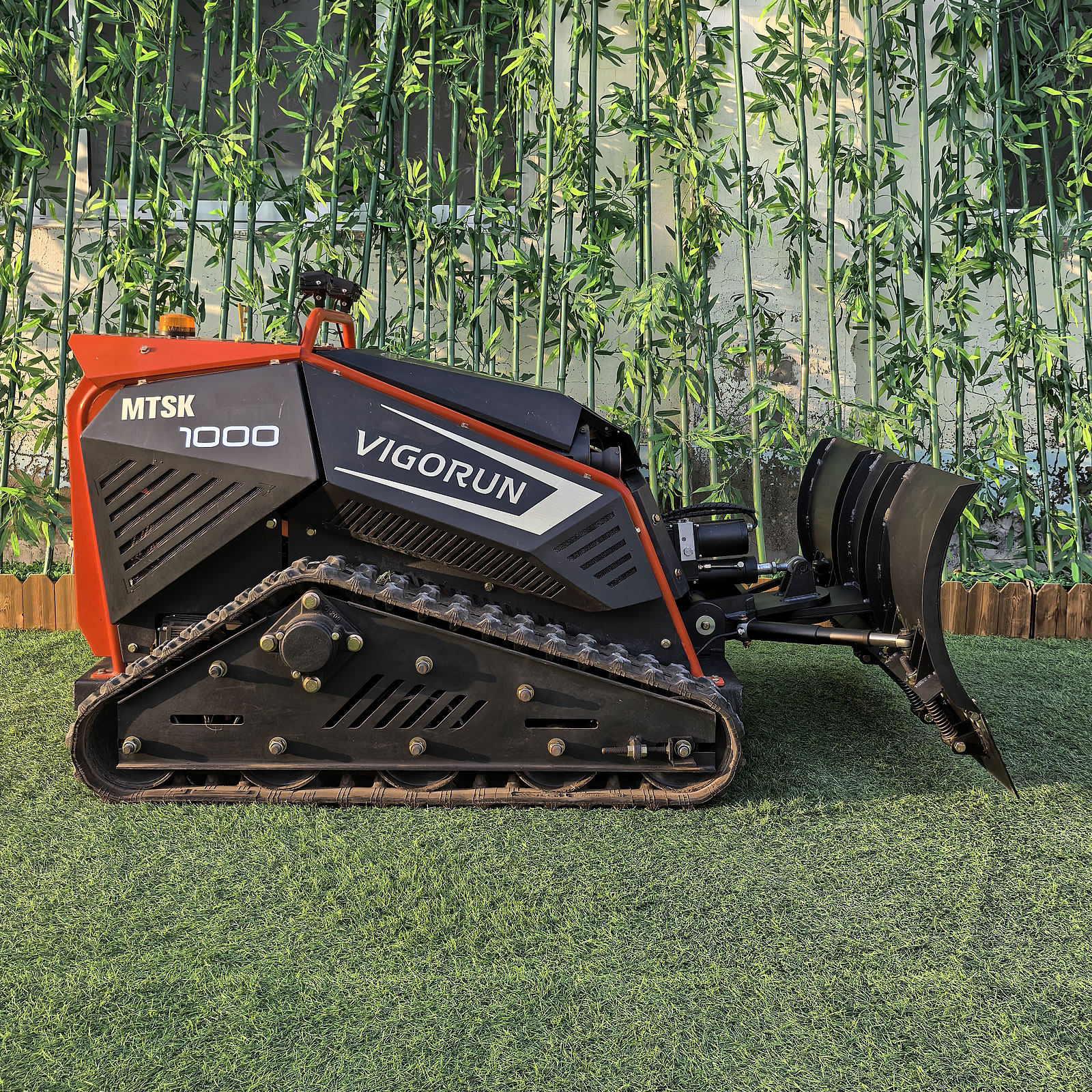 The electric hydraulic push rods enhance the versatility of the machine by enabling remote height adjustment of attachments. This means operators can easily adapt the equipment to different tasks without needing to leave their control station, further increasing efficiency.