Table of Contents
Features of the Loncin 764CC Gasoline Engine
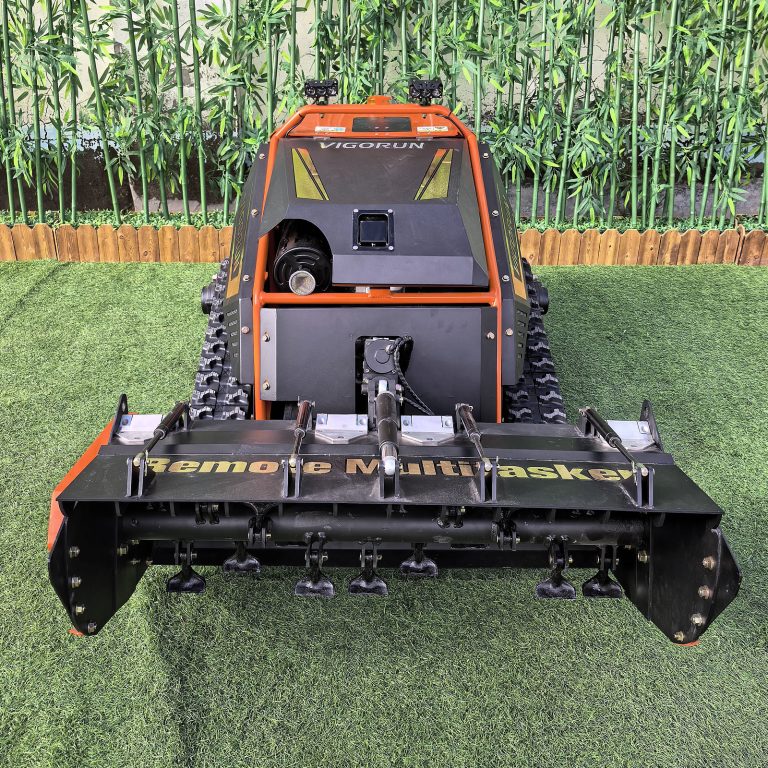
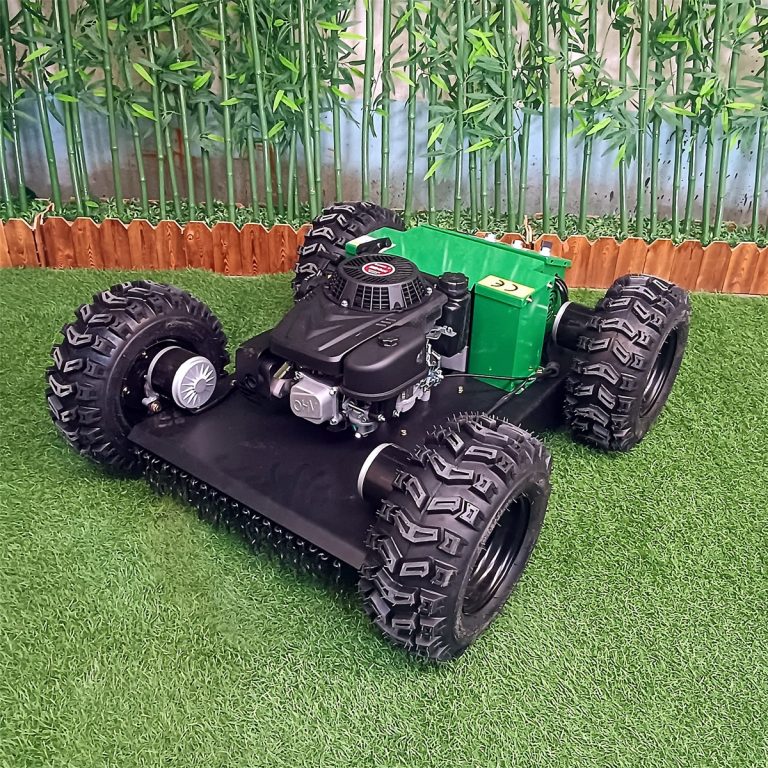
 The Loncin 764CC gasoline engine cutting width 1000mm compact remote operated slasher mower is powered by a robust V-type twin-cylinder gasoline engine. This engine, identified as the Loncin brand model LC2V80FD, boasts a rated power of 18 kW at 3600 rpm. With a displacement of 764cc, this engine provides strong performance, ensuring that the mower can tackle even the most challenging terrains with ease.
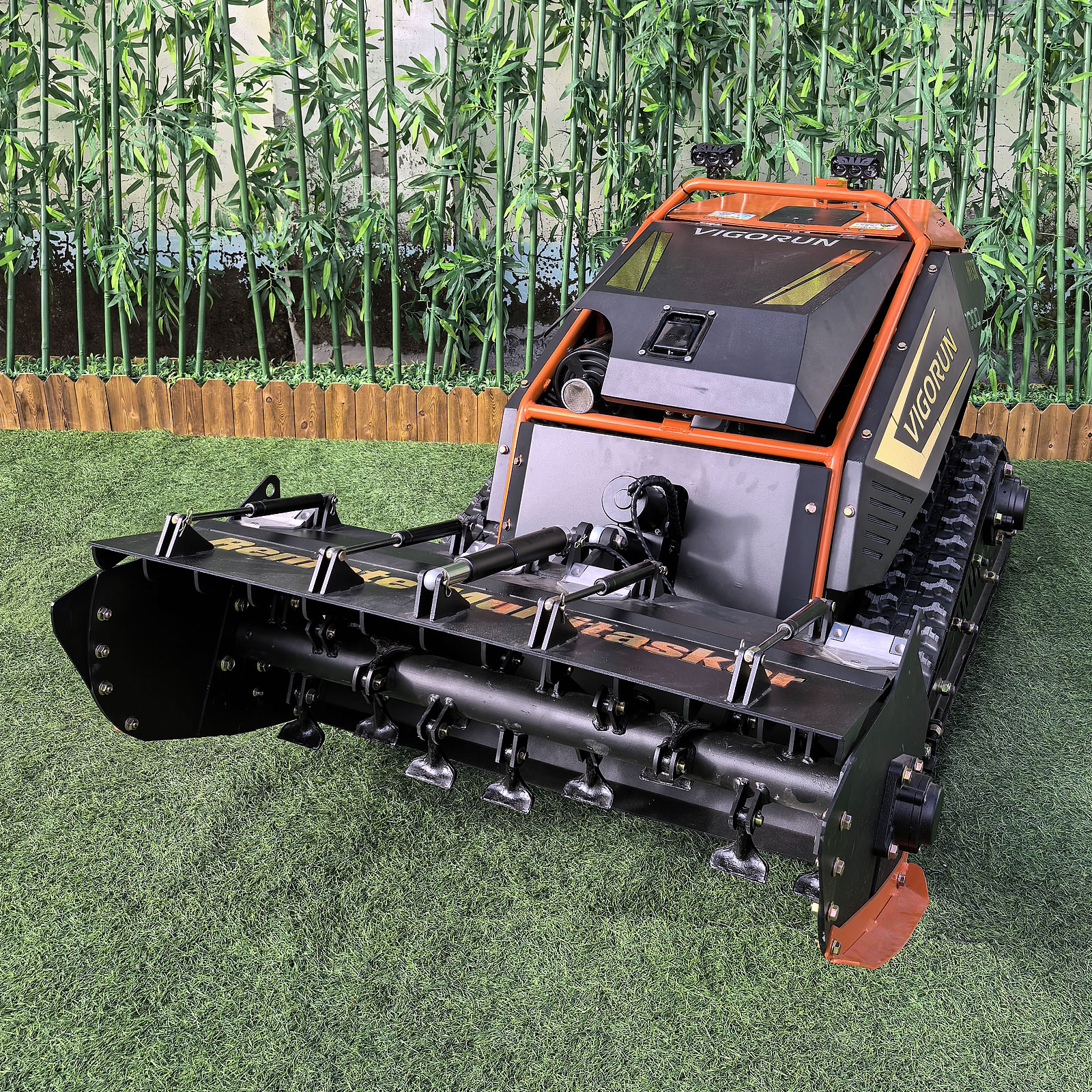 One of the standout features of this engine is its clutch mechanism, which engages only when it reaches a predetermined rotation speed. This ensures optimal efficiency and performance while minimizing wear and tear on the engine components. The powerful engine combined with advanced design allows the mower to deliver exceptional cutting capabilities over a wide range of applications.
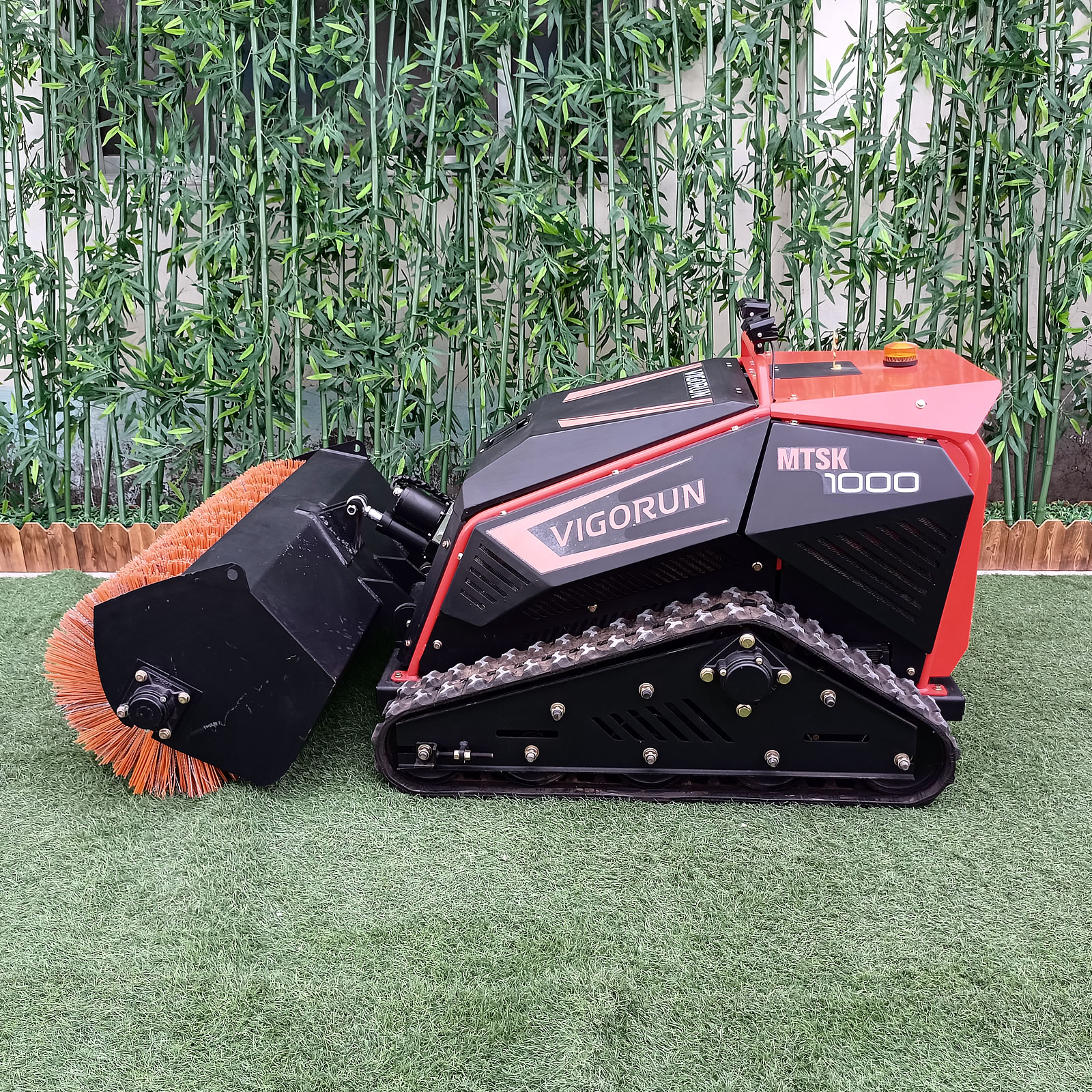 Additionally, the mower is equipped with two 48V 1500W servo motors that provide a significant amount of power and climbing ability. This configuration allows for seamless operation even on steep inclines, making it a reliable choice for various landscaping tasks. The self-locking function ensures that the machine remains stationary without throttle input, enhancing operational safety when in use.
Versatile Applications and Safety Features
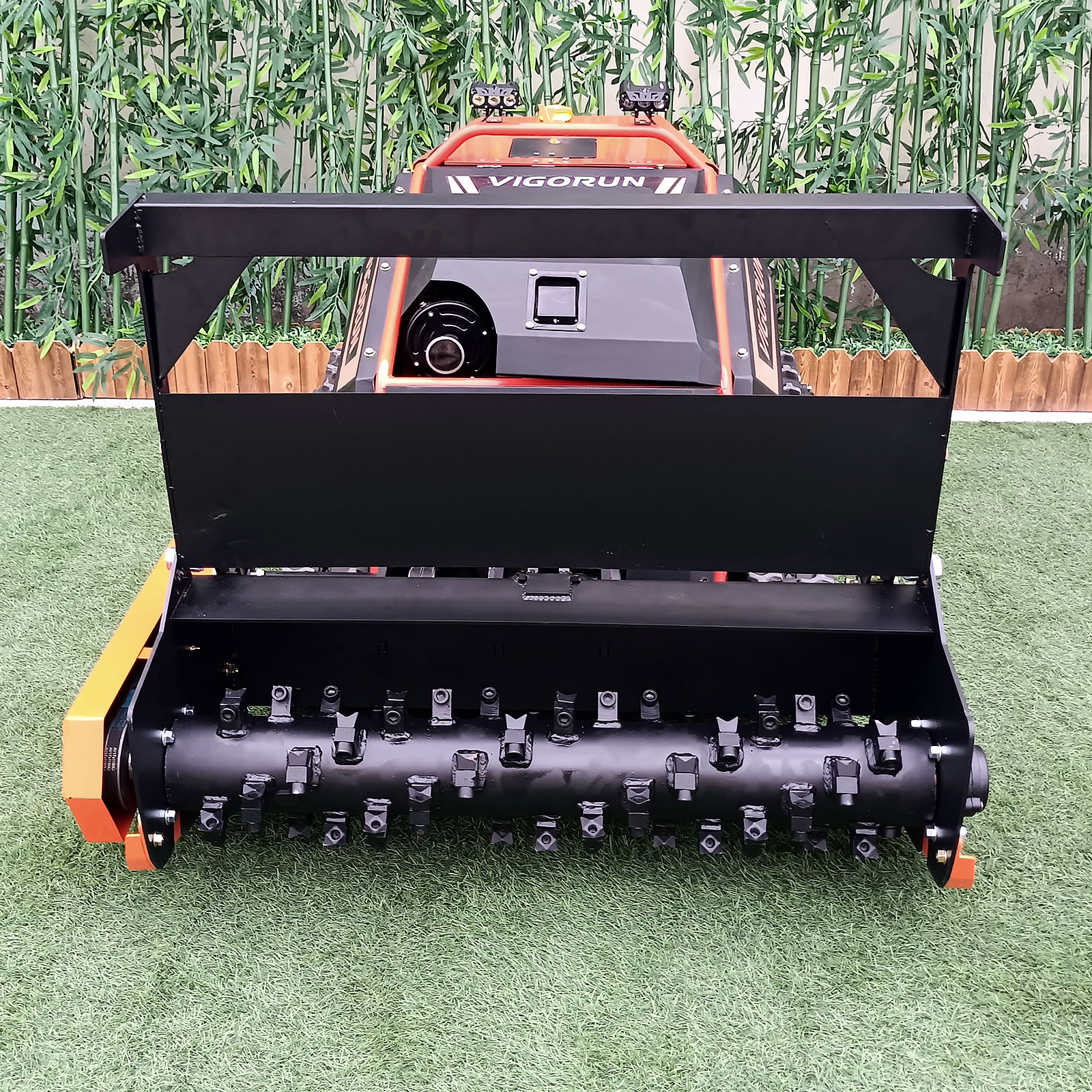
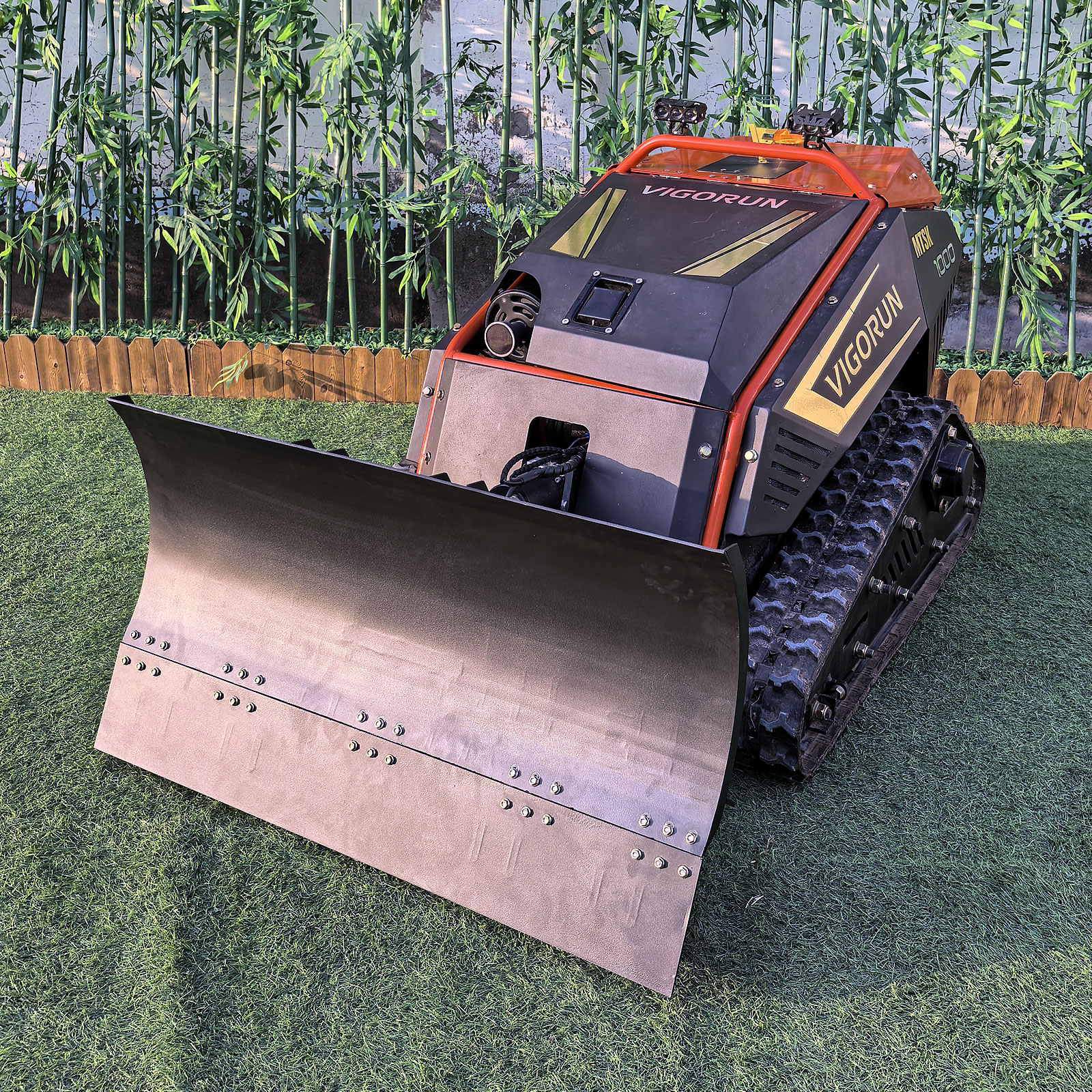
The Loncin 764CC gasoline engine cutting width 1000mm compact remote operated slasher mower is designed for multi-functional use, featuring interchangeable front attachments. It can be equipped with a 1000mm-wide flail mower, hammer flail, forest mulcher, angle snow plow, or snow brush. This versatility makes it ideal for heavy-duty grass cutting, shrub and bush clearing, vegetation management, and snow removal, allowing operators to adapt the machine to their specific needs.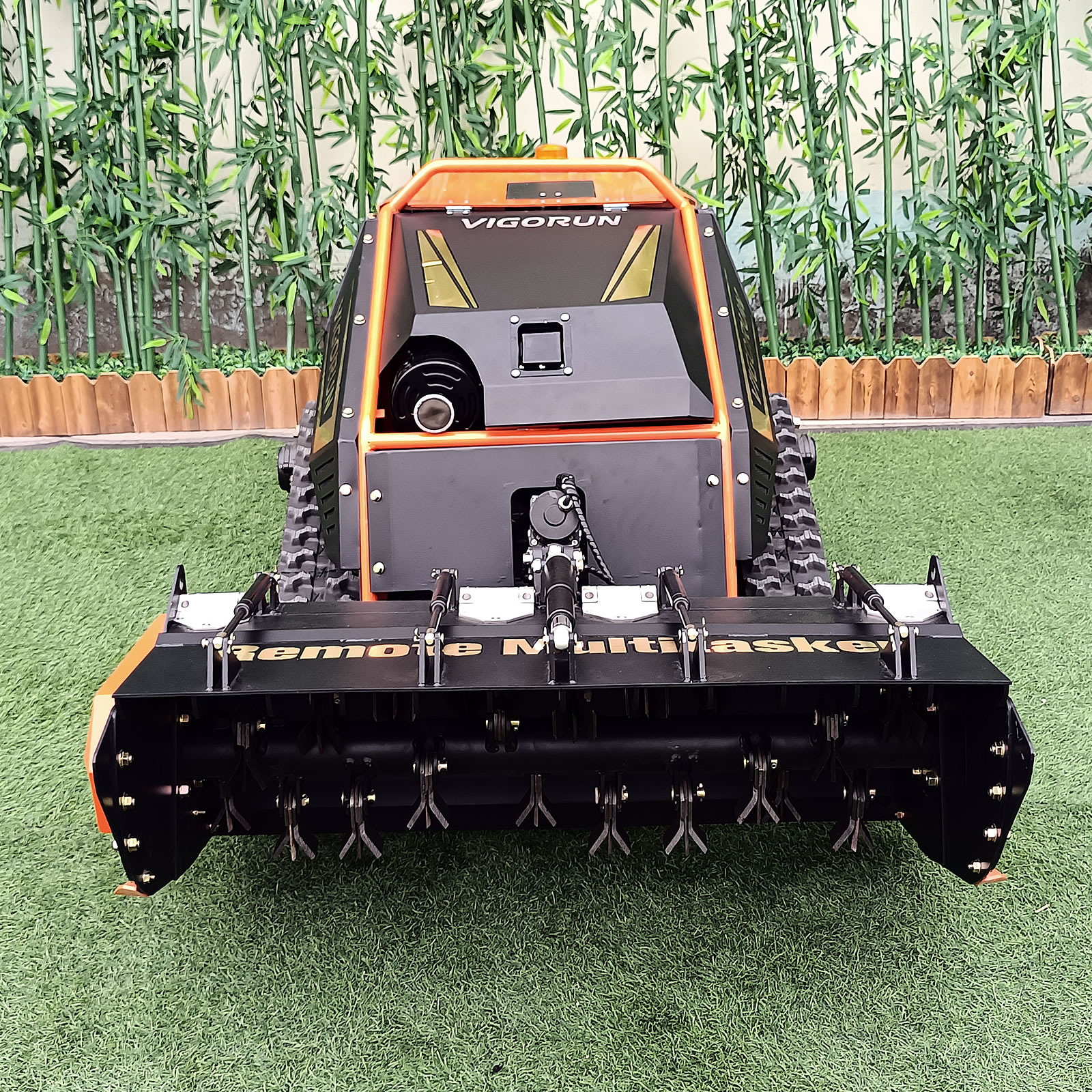 Safety is a paramount consideration in the design of this mower. The intelligent servo controller precisely regulates motor speed and synchronizes the left and right tracks, enabling the mower to travel in a straight line without constant remote adjustments. This reduces the operator’s workload and minimizes risks associated with overcorrection on steep slopes, ensuring safe and efficient operation.