Table of Contents
Features of the EPA Gasoline Powered Engine Working Degree 55 Rubber Track Remote-Driven Flail Mulcher
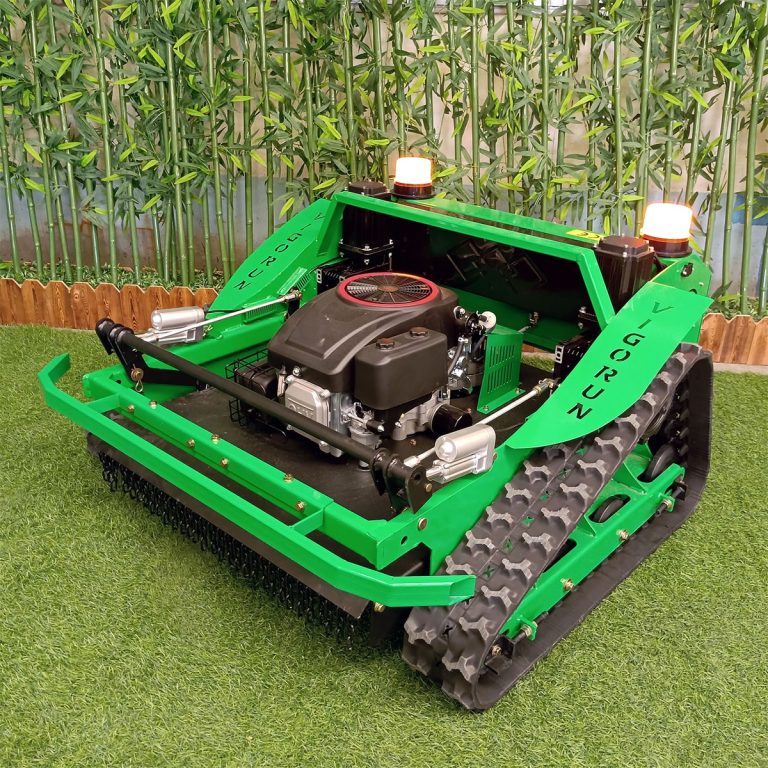
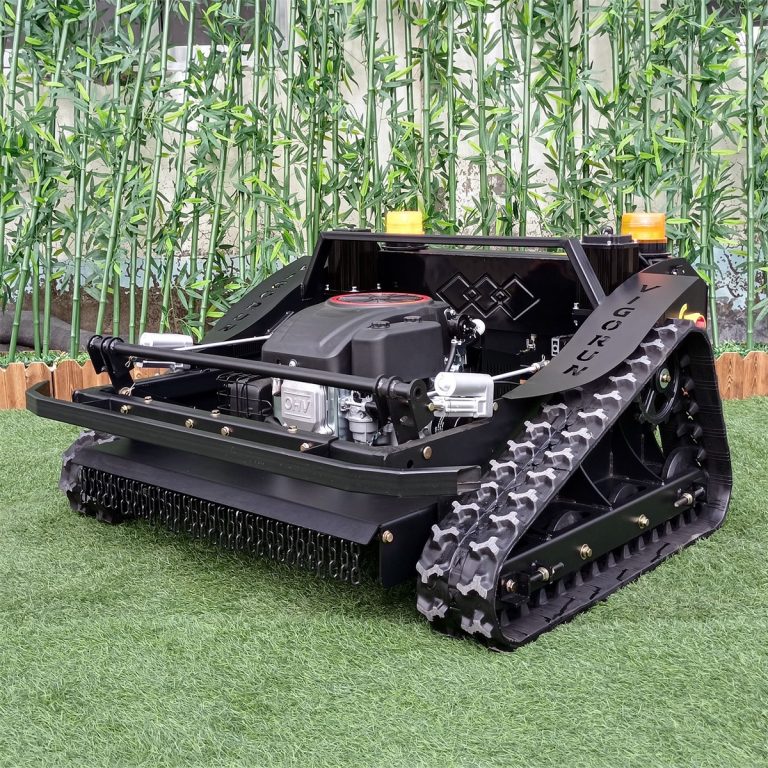
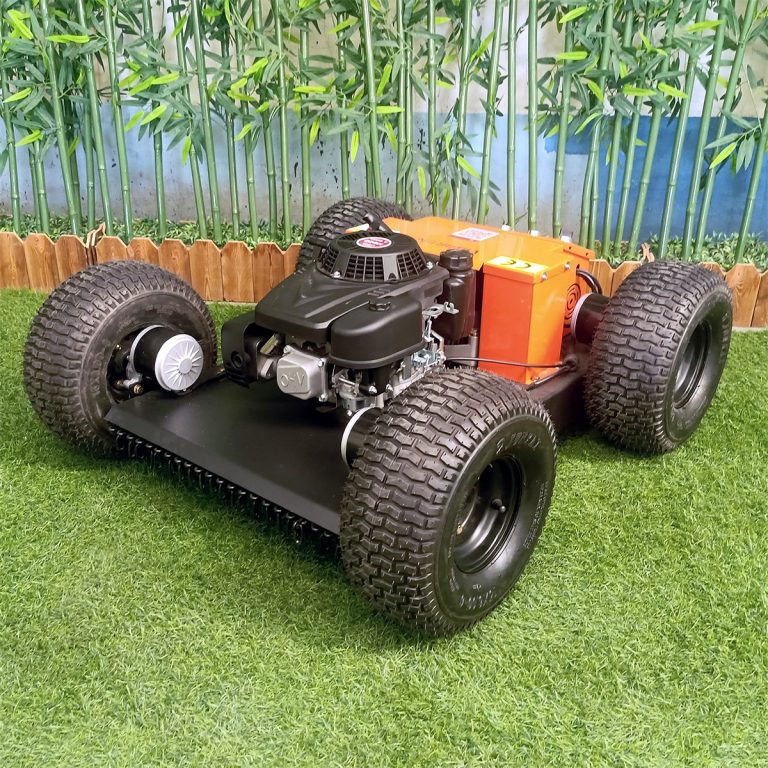
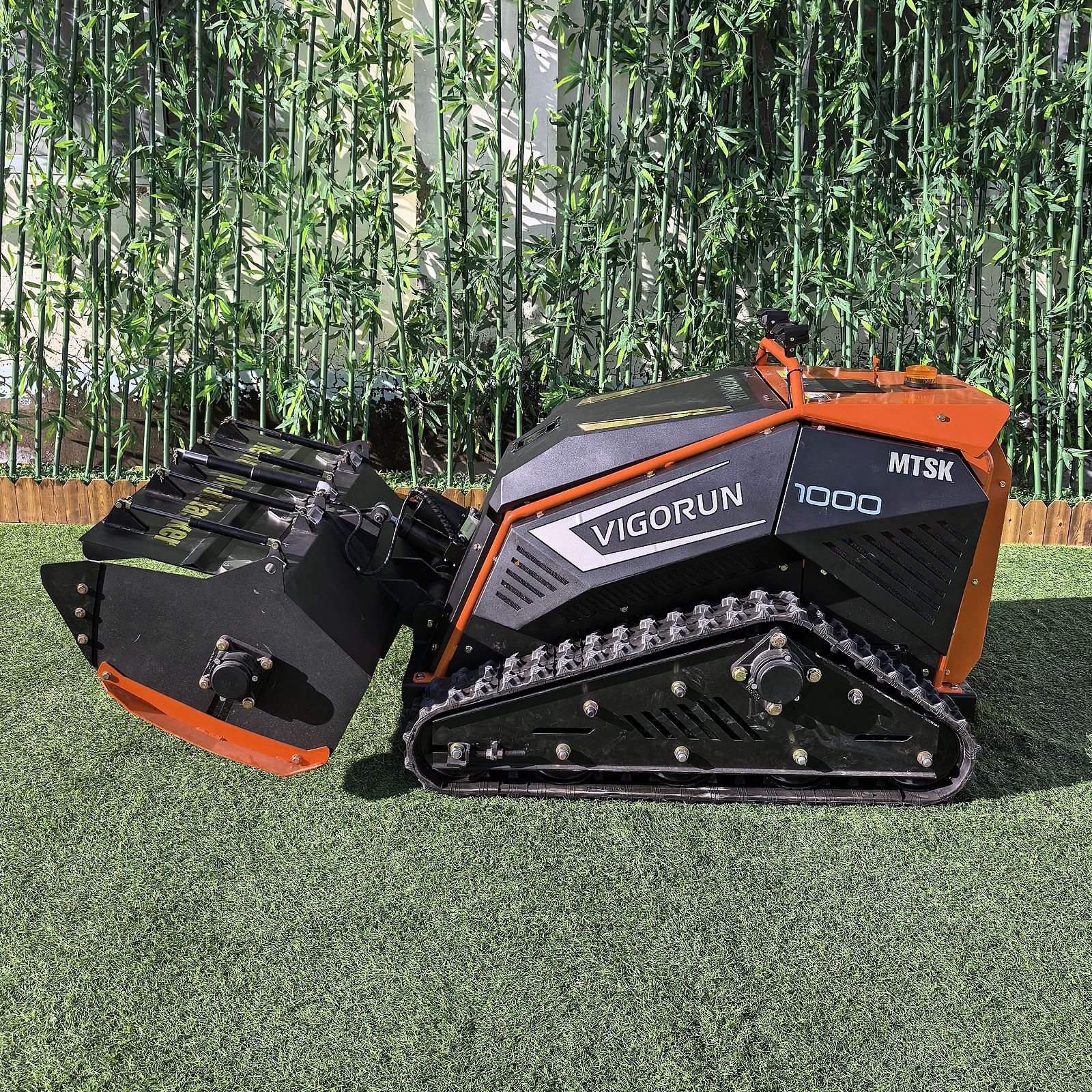 The EPA gasoline powered engine working degree 55 rubber track remote-driven flail mulcher is engineered for versatility and efficiency. It features a powerful V-type twin-cylinder gasoline engine, specifically designed to meet rigorous performance standards. The Loncin LC2V80FD model offers a rated power of 18 kW at 3600 rpm, ensuring robust output for various tasks. This remarkable 764cc engine not only delivers strength but also operates smoothly, providing reliable performance in challenging environments.
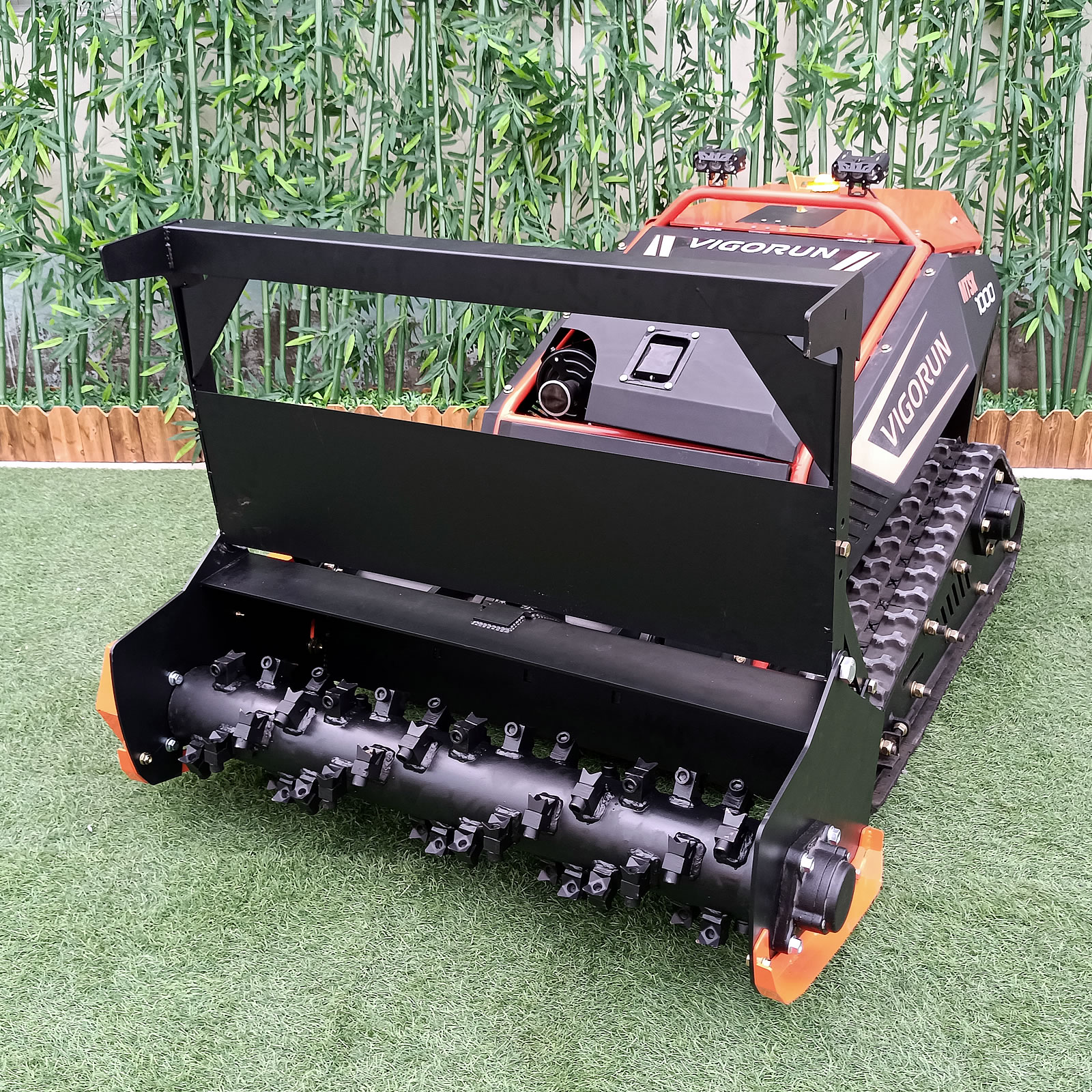 Equipped with a specially designed clutch, the engine engages only upon reaching a predetermined rotation speed. This feature enhances operational safety and efficiency, allowing operators to focus on their work without worrying about unintended engagement. The machine’s design emphasizes user control, enabling precise handling while performing demanding tasks.
Versatility and Functionality
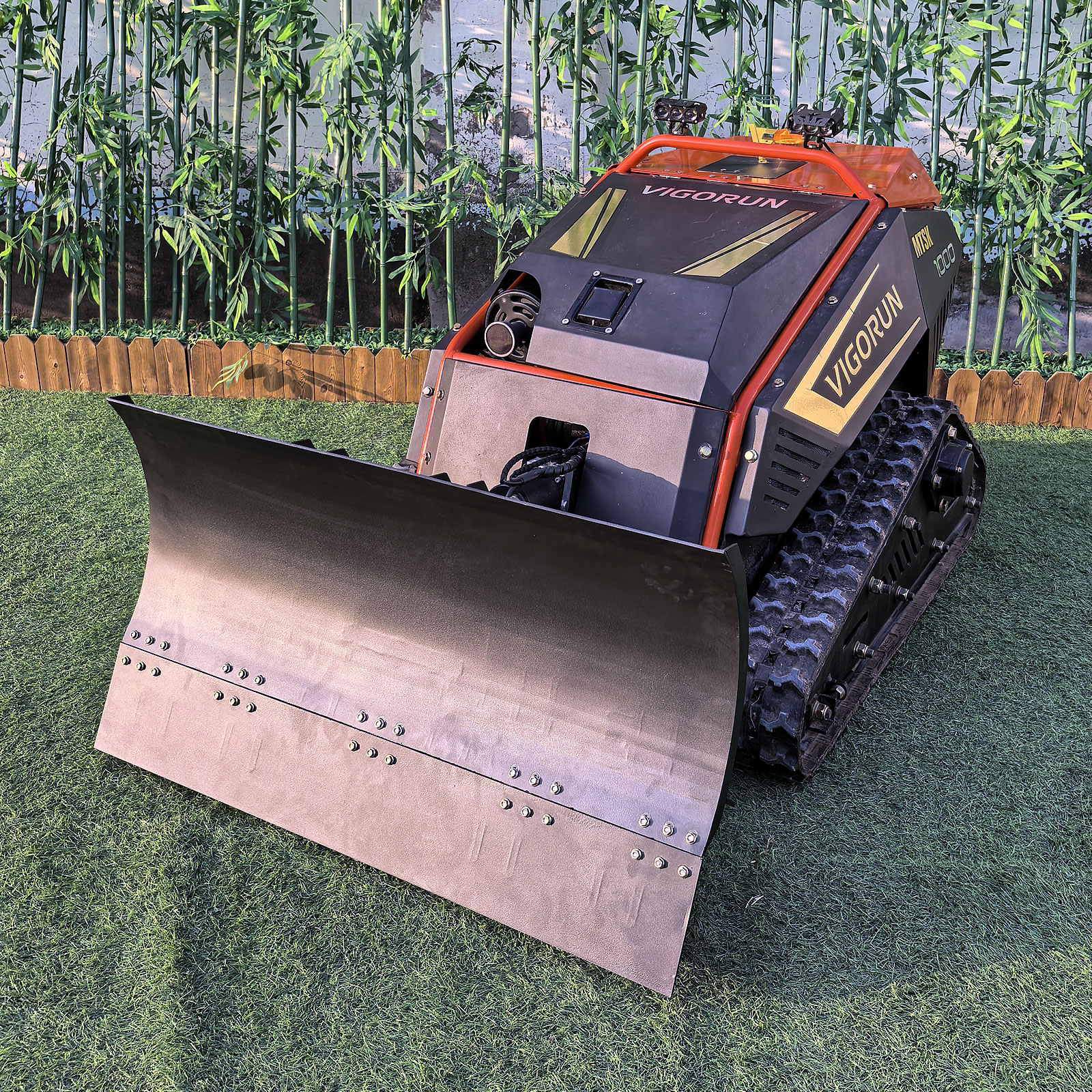
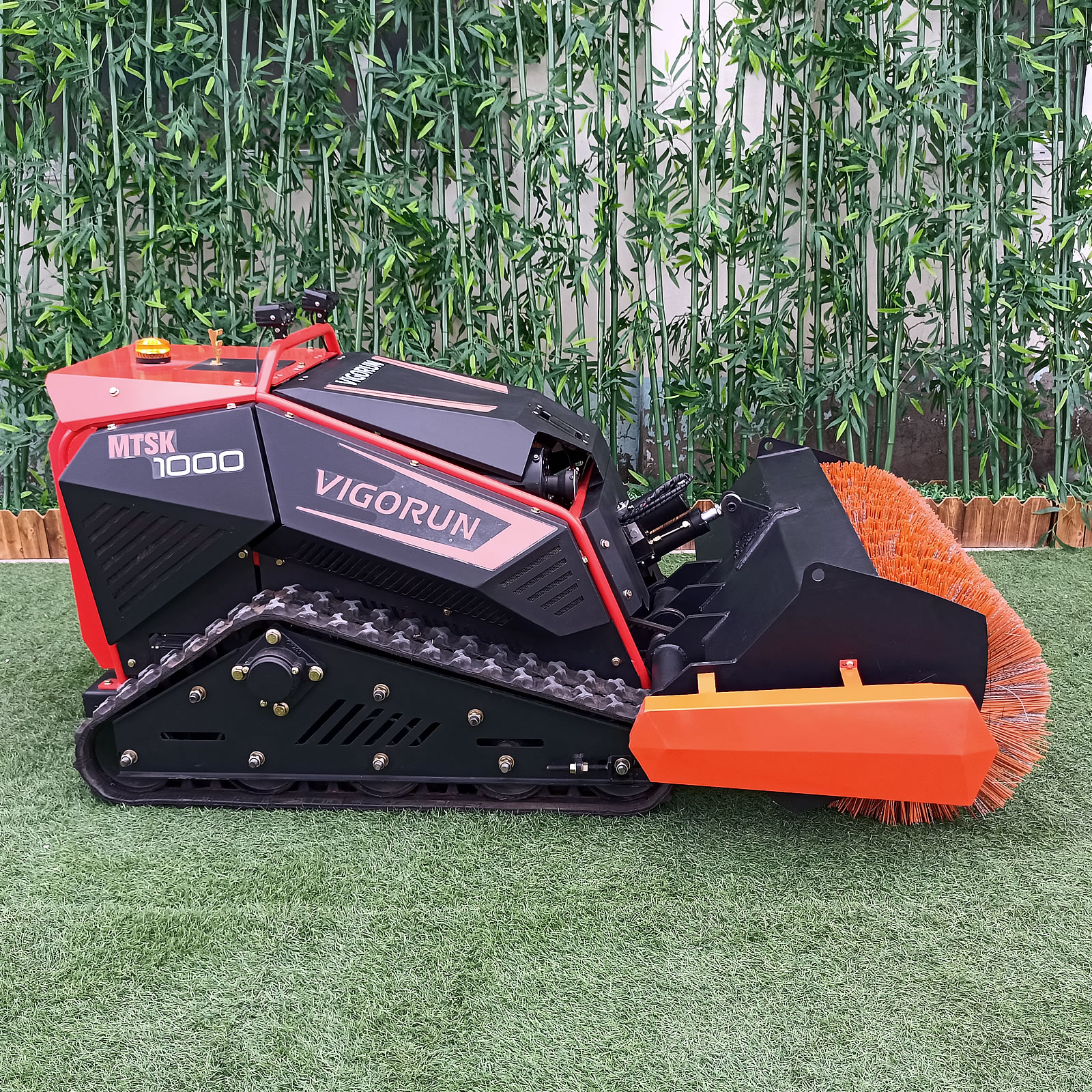 The EPA gasoline powered engine working degree 55 rubber track remote-driven flail mulcher is designed for multifunctional use, boasting a wide array of interchangeable front attachments. Operators can easily switch between a 1000mm-wide flail mower, hammer flail, forest mulcher, angle snow plow, or snow brush. This adaptability makes the machine perfect for heavy-duty grass cutting, shrub and bush clearing, and efficient vegetation management under diverse conditions.
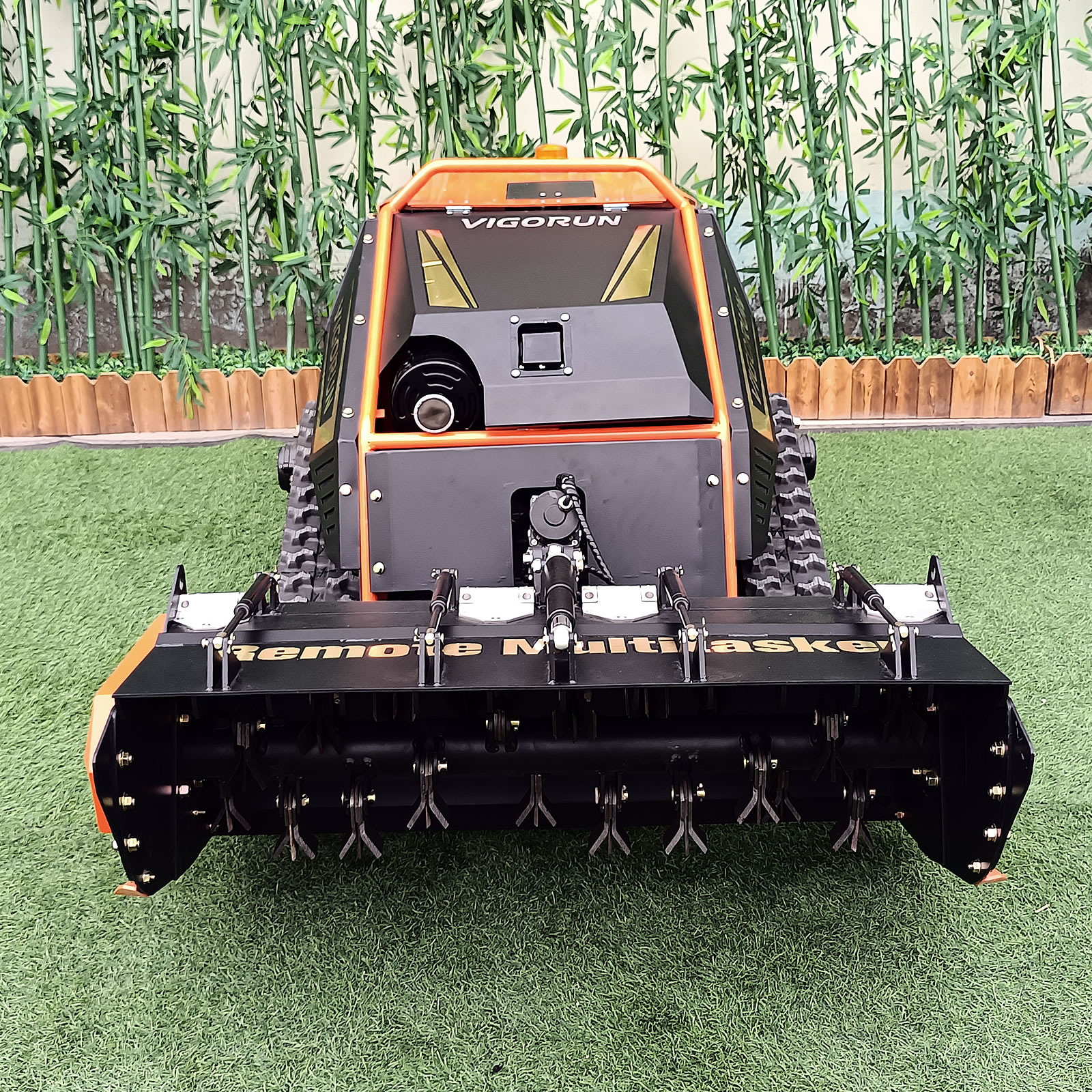 With its high reduction ratio, the worm gear reducer amplifies the torque generated by the servo motors, providing immense output torque that enhances climbing resistance. Even in case of a power outage, the friction between the worm and gear ensures mechanical self-locking, preventing the mulcher from sliding downhill. This feature guarantees consistent performance and safety, making it an ideal choice for both professional landscapers and property owners.
The intelligent servo controller plays a crucial role in the overall functionality of the machine. It precisely regulates motor speed and synchronizes the left and right tracks, ensuring smooth and straight-line travel without constant adjustments from the operator. This reduces the risk of overcorrection, especially on steep slopes, and minimizes operator workload during long mowing tasks.
With its high reduction ratio, the worm gear reducer amplifies the torque generated by the servo motors, providing immense output torque that enhances climbing resistance. Even in case of a power outage, the friction between the worm and gear ensures mechanical self-locking, preventing the mulcher from sliding downhill. This feature guarantees consistent performance and safety, making it an ideal choice for both professional landscapers and property owners.
The intelligent servo controller plays a crucial role in the overall functionality of the machine. It precisely regulates motor speed and synchronizes the left and right tracks, ensuring smooth and straight-line travel without constant adjustments from the operator. This reduces the risk of overcorrection, especially on steep slopes, and minimizes operator workload during long mowing tasks.